AI-Generated Wildlife Rescue Video Goes Viral
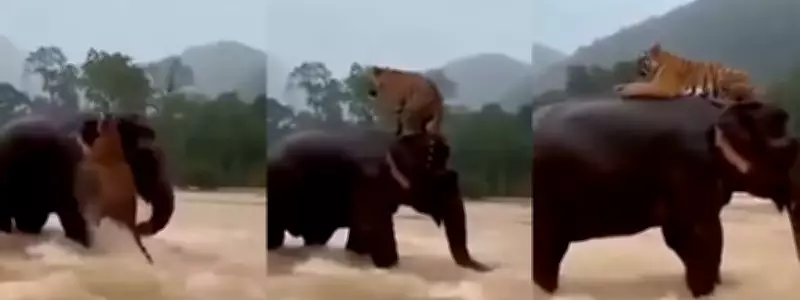
A dramatic video circulating on social media platforms such as Facebook, X, Instagram, and WhatsApp claims to show a Sumatran elephant rescuing a tiger from floodwaters in Indonesia. The clip, which appears heartwarming at first glance, is actually an AI-generated fabrication that has resurfaced with misleading claims during India's 2026 monsoon season.
The video depicts an elephant wading through raging floodwaters and seemingly helping a tiger being swept away by the current. The caption accompanying the video states: "A rare and touching incident was captured during flash floods in Sumatra. The video shows a Sumatran elephant attempting to rescue a tiger swept away by the strong current."
Origin and Verification
According to fact-checkers, the video is not authentic footage of a real wildlife rescue. It was created using Artificial Intelligence (AI) and first appeared online in November 2025. Since then, it has resurfaced multiple times with the same false narrative, most recently during India's 2026 monsoon season.

There is no credible evidence or official report from Indonesian authorities, wildlife agencies, or news organizations confirming that such an incident ever took place. The claim is entirely fabricated.
Why the Video Deceives Viewers
Advances in generative AI have made it increasingly difficult to distinguish between real and fabricated videos. AI tools can now produce highly realistic visuals, complete with lifelike animal movements, water effects, and cinematic camera angles. Wildlife videos are particularly susceptible to misinformation because they often portray emotional or extraordinary interactions that quickly go viral, encouraging users to share them without verification.
According to digital forensics experts, the video shows telltale signs of AI generation, such as unnatural water flow patterns and inconsistent animal proportions. The clip has been shared widely despite these red flags.
Impact and Warnings
Misinformation experts warn that such AI-generated content can erode public trust in real wildlife conservation efforts. "This video is a perfect example of how AI can be used to create convincing but completely false narratives," said a digital media analyst. "It's important for viewers to verify extraordinary claims before sharing them."
The video has been shared thousands of times across platforms, with many users expressing emotional reactions. However, fact-checking organizations have flagged it as false, urging the public to rely on official sources for news about wildlife rescues.
How to Spot AI-Generated Content
To avoid falling for AI-generated hoaxes, experts recommend checking for inconsistencies in lighting, shadows, and water physics. Additionally, users should cross-reference claims with official wildlife agencies and news outlets. The absence of any official report or credible media coverage is a strong indicator that the video is fabricated.
As AI technology continues to evolve, the line between real and fake content will become increasingly blurred. Staying informed and skeptical is essential in the digital age.