

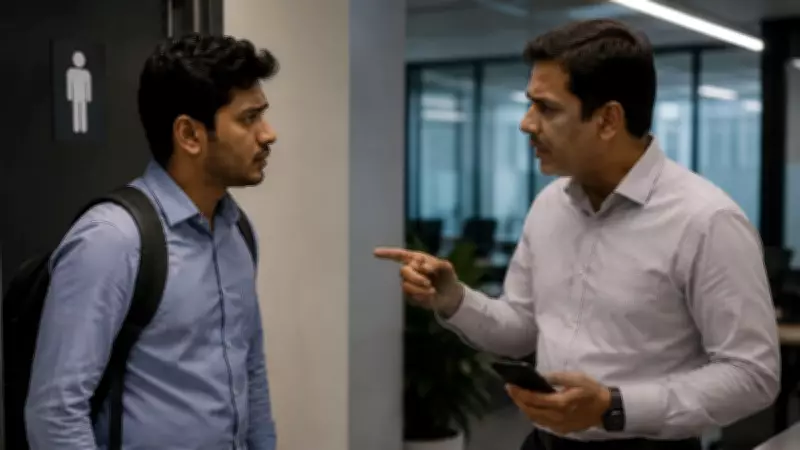
An employee in Ahmedabad has ignited a fierce debate about workplace privacy after revealing that her company tracks the duration of her washroom breaks. The incident, which went viral on social media, has raised questions about the extent to which employers can monitor their staff's activities.
The Employee's Ordeal
The woman, whose identity has not been disclosed, took to social media to express her frustration. She claimed that her employer uses software to log the time she spends in the restroom, and that this practice is part of a broader monitoring system. Her post quickly gained traction, with many users expressing shock and outrage.
Reactions from Netizens
The post sparked a flurry of comments, with some users defending the practice as a necessary measure for productivity, while others condemned it as an invasion of privacy. One user wrote, "This is a clear violation of basic human rights. Employees are not machines." Another commented, "If the company is that concerned, they should focus on output rather than micromanaging every minute."

Legal and Ethical Implications
Experts have weighed in on the issue, highlighting the legal and ethical dimensions. According to labor laws in India, while employers have the right to monitor work activities, such monitoring must be reasonable and not infringe on an employee's dignity. Privacy advocates argue that tracking washroom breaks crosses a line, as it can lead to stress and a hostile work environment.
Corporate Monitoring Trends
This incident is not isolated. In recent years, many companies have adopted sophisticated monitoring tools to track employee productivity, from keystroke logging to video surveillance. However, the practice has faced criticism for eroding trust and causing anxiety among workers.
The Broader Workplace Debate
The Ahmedabad case has reignited discussions about the balance between productivity and privacy. While some argue that monitoring is essential for efficiency, others believe it creates a culture of suspicion. The debate also touches on the need for clear policies and transparency in workplace monitoring.
As the story continues to spread, it serves as a reminder of the challenges in modern workplaces where technology enables unprecedented levels of oversight. The outcome of this debate could influence how companies approach employee monitoring in the future.






