

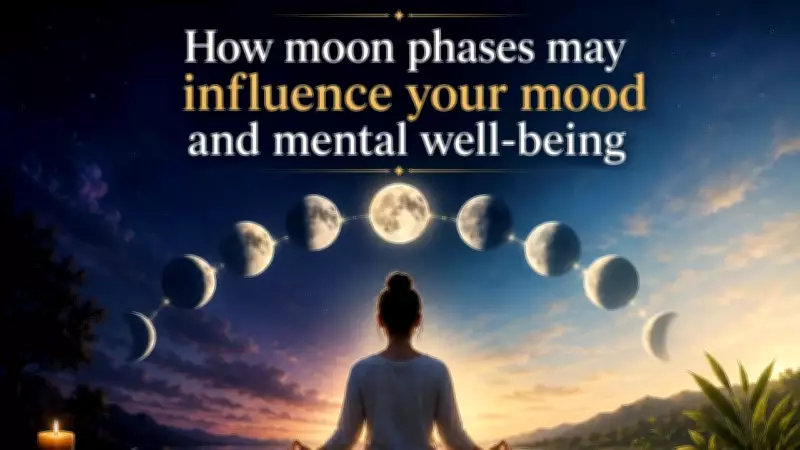
For centuries, the Moon has captivated humanity, influencing calendars, cultures, and spiritual traditions worldwide. The lunar phases offer a beautiful spectacle in the night sky, and many believe they subtly affect emotions, mood, and mental well-being. While science continues to explore these connections, astrology has long regarded the Moon as a key symbol of the mind and emotions.
What is the Moon's Role in Astrology?
In Vedic astrology, the Moon represents the mind, emotions, intuition, and psychological reactions. While the Sun signifies identity and vitality, the Moon governs how we feel, react, and process experiences. The Moon's phases are thought to influence emotional energy, making it one of the most important celestial bodies for understanding human behavior.
New Moon: Time for an Inventory
A New Moon marks the start of the lunar cycle. Astrologers often associate this time with setting intentions, new beginnings, and introspection. Many people report feeling quieter, more reflective, and inclined toward self-evaluation. It is an ideal period for journaling, meditation, and planning future goals.

Waxing Moon: Gaining Momentum
As the Moon gradually brightens, its energy is believed to increase. This phase is linked to motivation, optimism, and personal growth. Individuals may feel more productive and confident in pursuing new opportunities. Astrologers suggest using this time to act on goals and reinforce positive habits.
Full Moon: Emotional Peak
The Full Moon is perhaps the most discussed phase regarding emotional health. Astrologers say that feelings can intensify, and hidden emotions may surface. Some people experience heightened sensitivity, vivid dreams, or disturbed sleep during this period. While effects vary, the Full Moon is often seen as a time for emotional release and increased self-awareness.
Waning Moon: Releasing and Recharging
After the Full Moon, the moonlight decreases. This phase emphasizes closure, healing, and emotional detox. Astrologers recommend letting go of negative patterns, tying up loose ends, and resting the mind. It is a time for mindfulness, decluttering, and self-care rituals.
The Science Behind the Moon's Influence
Scientific research on the Moon's impact on mental health yields mixed results. Studies have examined possible links between lunar cycles and sleep quality or mood changes, but no strong evidence supports direct effects. However, psychologists agree that belief systems, personal awareness, and natural cycles can shape how people interpret their feelings. For many, lunar rituals provide structure, mindfulness, and opportunities for self-reflection.
Results Vary by Individual
Astrologers note that the Moon's influence depends on a person's birth chart, especially the Moon sign and its placement in different houses. This explains why some individuals are highly affected by lunar phases, while others feel little to no impact.
Final Word
The Moon holds a significant place in human consciousness, whether through astrology, spirituality, or personal reflection. Understanding the lunar cycle can enhance emotional awareness and healthy self-reflection, but it is not a substitute for professional mental health care. Each month, the Moon's phases remind us that, like nature, emotions are ever-changing, waxing, waning, and renewing in their own time.






