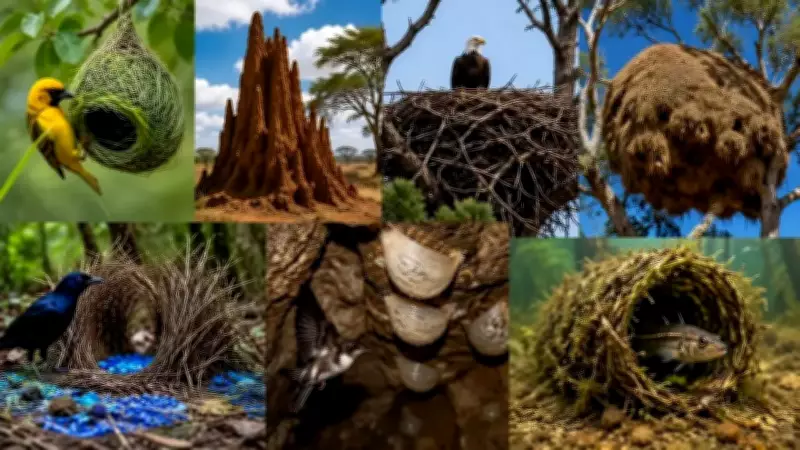
Most bird species construct nests using twigs, leaves, mud, grass, and feathers to provide safety for their eggs and young. However, some birds have evolved unique strategies to avoid building nests altogether. These adaptations include brood parasitism, cavity nesting, and utilizing natural or abandoned structures. Here are ten fascinating birds that do not build their own nests.
1. Asian Koel – The Notorious Brood Parasite
The Asian koel is one of the most famous birds that avoids nest construction. Females lay their eggs in the nests of crows, leaving the foster parents to raise their offspring. This behavior, known as brood parasitism, allows koel chicks to hatch quickly and be reared by unsuspecting hosts. This bird is common throughout India and parts of Asia, recognized by its distinctive call during summer.
2. Common Cuckoo – A Master of Deception
The common cuckoo is another well-known brood parasite. Females deposit eggs in the nests of smaller birds like warblers and pipits. Remarkably, cuckoo eggs mimic the appearance of host eggs, reducing detection. After hatching, the cuckoo chick often pushes out other eggs or chicks to monopolize care from the foster parents.

3. Brown-Headed Cowbird – A North American Brood Parasite
Similar to the cuckoo, the brown-headed cowbird is a brood parasite. Females lay eggs in the nests of dozens of bird species. By avoiding nest building and chick rearing, they can breed more efficiently. However, this behavior can negatively impact smaller host species.
4. Black-Headed Duck – An Unusual Water Bird
This duck species practices brood parasitism in waterbird communities. Females lay eggs in nests of coots and gulls. Soon after hatching, black-headed ducklings leave the host nest and become independent, making them one of the most unusual avian parasites.
5. Great Spotted Cuckoo – Dependent on Crow Nests
Found in parts of Europe and Africa, the great spotted cuckoo prefers crows and magpies as foster parents. Females place eggs in nests where host birds continue incubation. Interestingly, some host species benefit from the cuckoo chicks as they may deter predators.
6. Wood Duck – Preferring Natural Cavities
Wood ducks avoid building traditional nests. Instead, they use natural cavities such as old woodpecker holes or tree hollows. They line these cavities with feathers before laying eggs. Ducklings jump from the nest shortly after hatching, following their mother to water.
7. European Goldeneye – Nesting Without Construction
Similar to wood ducks, European goldeneyes are cavity nesters. They choose tree holes or nest boxes and line them with soft materials, but they do not build nests from scratch.
8. Burrowing Owl – Nesting Underground
Burrowing owls live in burrows dug by prairie dogs, squirrels, or other mammals. They make slight modifications but never construct their own nests. This underground lifestyle protects them from harsh weather and predators.
9. Peregrine Falcon – Laying Eggs on High Surfaces
Peregrine falcons lay eggs on rocky cliffs or tall buildings. They may use nests built by other species or simply scrape a shallow depression on a ledge. No elaborate nest is constructed.
10. Emperor Penguin – No Nest in the Frozen Wilderness
Emperor penguins inhabit Antarctica's extreme cold and do not build nests. Males incubate eggs by balancing them on their feet and covering them with a brood pouch, preventing freezing without any nest material.
Disclaimer: This article is for general informational and educational purposes only. Nesting behaviors, habitats, and reproductive strategies mentioned are based on commonly documented wildlife observations and scientific research. Bird behavior may vary depending on species, climate, geography, and environmental conditions. Readers are advised not to disturb wild birds, nests, eggs, or natural habitats. For wildlife-related concerns or observations, always consult local forest departments, conservation authorities, or qualified wildlife experts.