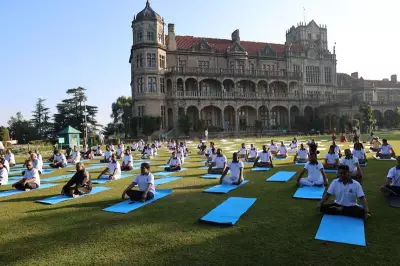
A recent study has identified cognition, nutrition, and movement as the strongest predictors of survival among older adults in India. The research team noted that most existing evidence on intrinsic capacity comes from high-income countries, where a higher score is linked with a lower risk of death.
Key Findings
The study highlights that these three factors—cognitive function, nutritional status, and physical movement—are crucial for longevity in the elderly population. The findings are particularly significant for India, where the aging population is growing rapidly.
Cognitive Health
Maintaining cognitive abilities through mental exercises and social engagement can help reduce the risk of mortality. The study emphasizes the importance of early detection and management of cognitive decline.

Nutritional Status
Adequate nutrition, including a balanced diet rich in essential nutrients, plays a vital role in supporting overall health and immune function. Malnutrition is a common issue among older adults and is associated with higher mortality.
Physical Movement
Regular physical activity, even in the form of light exercises like walking, can significantly improve survival rates. Mobility limitations are a strong predictor of adverse outcomes.
Implications for Policy
The study calls for integrated health interventions targeting these domains to improve the quality of life and survival of older adults in India. It also stresses the need for more research in low- and middle-income countries to build a comprehensive evidence base.