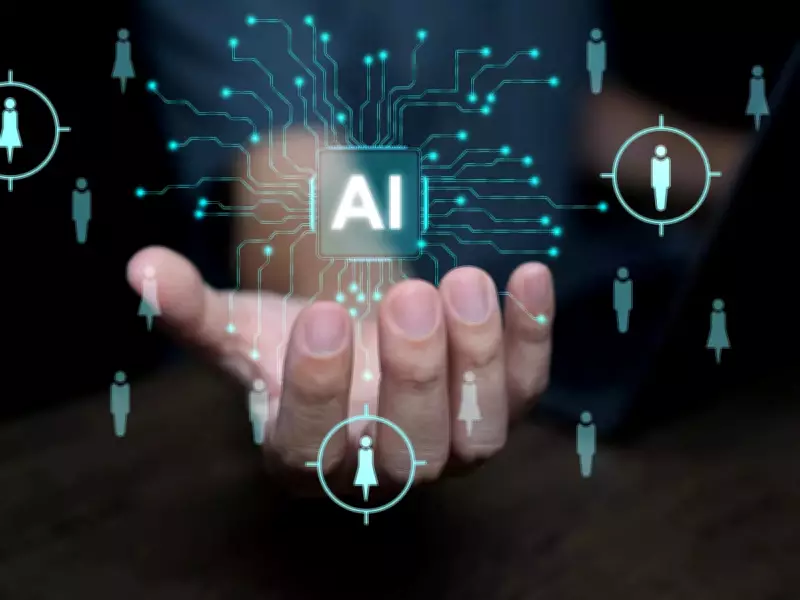
AI Anxiety Grips Indian Millennials: 49% Fear Job Replacement Within 3-5 Years
The workplace has continuously evolved alongside technological advancements throughout history. However, for the millennial generation that entered adulthood during periods of financial instability and now finds itself at mid-career, the current wave of automation driven by artificial intelligence feels less like progressive innovation and more like an existential reckoning.
Survey Reveals Striking Workforce Fault Line
A comprehensive new survey conducted by Great Place To Work India has uncovered a significant fault line within the modern Indian workforce. The data reveals that 49% of millennial employees fear artificial intelligence could potentially replace their jobs within the next three to five years. This represents the highest level of anxiety recorded among all generational cohorts surveyed, surpassing concerns expressed by both younger Gen Z workers and older generations.
This finding does more than simply quantify workplace unease. It captures a deeper psychological transformation currently underway within corporate India, where sophisticated algorithms are no longer perceived as distant technological tools but rather as direct competitors for employment and career stability.

Anxiety That Cuts Across Organizational Hierarchies
What makes this data particularly revealing is that this apprehension about artificial intelligence is not confined to entry-level positions or routine operational functions. According to the detailed survey findings, the anxiety spans multiple experience levels and professional tiers, suggesting a broader undercurrent of vulnerability permeating organizations across India.
This widespread concern emerges at a critical juncture when more than half of surveyed organizations report actively deploying AI tools in some operational capacity. This statistic lends legitimacy to both sides of the ongoing debate about workplace automation. The technology has clearly moved beyond speculative discussion to become operational reality. Yet the manner in which artificial intelligence is introduced within organizations appears to significantly shape how it is psychologically received by employees.
The survey specifically notes that in workplaces where AI adoption remains at an early or experimental stage, employees are significantly more likely to report feelings of job insecurity and professional uncertainty. In striking contrast, firms that integrate artificial intelligence alongside structured training programs and transparent leadership communication report markedly lower anxiety levels among their workforce.
In essence, the fear is not simply about automation itself, but rather about organizational opacity and uncertainty surrounding technological implementation.
The Millennial Crossroads: A Generation at a Critical Juncture
Millennials, broadly aged between 30 and 45 years, occupy a distinctive and particularly vulnerable position in this technological transition. They are neither digital natives just entering the workforce with inherent technological fluency, nor senior executives approaching retirement with established security. Instead, they represent:
- Mid-level managers and project leaders
- Professionals carrying significant mortgages and financial commitments
- Individuals raising families during peak earning years
- Employees navigating career advancement while managing substantial responsibilities
Many members of this generation entered the workforce during or immediately following the global financial crisis of the late 2000s and early 2010s. Their early working lives have been characterized by:

- Stagnant wage growth despite increasing living costs
- Unstable startup environments with frequent organizational changes
- Hiring freezes and benefit reductions during economic downturns
- Professional uncertainty as a recurring theme rather than exception
For this cohort, stability has often been a temporary condition rather than a guaranteed career feature. Now, with the advent of sophisticated artificial intelligence transforming how content is created, data is analyzed, and customer service is delivered, millennials are confronting automation during their most productive professional years. This occurs precisely when career mobility promises should be at their peak and financial commitments have become firmly established.
The survey findings strongly suggest that this generation's anxiety is not rooted in technological illiteracy or resistance to innovation. Rather, it reflects a lived history of economic fragility combined with present-day structural workplace changes that feel particularly threatening to their hard-won professional standing.
Artificial Intelligence as Both Threat and Opportunity
More than half of organizations acknowledging AI deployment confirm that this technological shift is not hypothetical but actively operational. Automation tools are being implemented across multiple business functions including:
- Decision-making support systems
- Predictive analytics platforms
- Workflow optimization software
- Communication assistance technologies
However, the psychological impact on employees varies dramatically depending on organizational approach and implementation philosophy. Where leadership consistently frames artificial intelligence as augmentation rather than substitution and pairs technological deployment with comprehensive skilling programs, employee confidence appears significantly stronger. Conversely, where communication remains sparse and training opportunities limited, professional uncertainty festers and intensifies.
The survey highlights a central tension emerging in modern workplaces: while artificial intelligence may genuinely increase productivity and foster innovation, without deliberate human-centered implementation strategies, it risks eroding organizational trust and amplifying employee insecurity.
Psychological Backdrop Influencing Career Decisions
Perhaps the most significant insight emerging from the comprehensive report is that AI anxiety has evolved into a background condition actively shaping career thinking and professional planning. For millennials, career strategy now includes not only traditional questions of promotion pathways and salary growth trajectories, but also serious considerations about technological redundancy and professional obsolescence.
Skills are being reassessed by this generation not simply for career advancement purposes, but for basic professional survivability in an increasingly automated workplace. The fear of "replacement by algorithm" has entered both formal boardroom conversations and private professional anxieties alike.
Yet the data also offers a subtle but important counterpoint: organizations that invest meaningfully in transparency, communication, and upskilling initiatives can effectively mitigate employee insecurity. The technology itself is not the sole determinant of workplace fear; leadership conduct, organizational culture, and communication strategies play decisive roles in shaping employee responses to technological change.
Navigating the Road Ahead
The historical record of workplace evolution suggests that technological revolutions rarely eliminate employment opportunities wholesale; instead, they systematically restructure work, creating new roles while rendering others obsolete. However, such transitions are seldom painless, particularly for professionals midstream in their careers who have invested significant time and effort in developing specific skill sets.
For corporate India, the message emerging from this research is unequivocally clear. Artificial intelligence deployment without corresponding cultural preparedness and human resource strategy risks breeding organizational distrust and amplifying employee anxiety. With clear communication frameworks, comprehensive retraining initiatives, and visible commitment to human capital development, the same transformative technology can become an instrument of professional empowerment rather than a source of fear.
For millennials navigating this transitional period, the moment represents both profound vulnerability and unprecedented agency. As workplace automation accelerates across industries, adaptability—long celebrated as a professional virtue—may transform into an economic necessity for career sustainability.
The sophisticated algorithms may indeed be at the organizational gate. Whether they are welcomed as collaborative partners or feared as replacement threats will depend less on their programming code and more fundamentally on the organizational culture, leadership approach, and human resource strategies that surround their implementation.