A 74-year-old retired defence civilian from Uttarakhand, who was initially deemed too high-risk for lung cancer surgery due to severe breathing problems and uncontrolled diabetes, has successfully undergone robotic lung cancer surgery at Apollo Hospitals, Bannerghatta Road, Bengaluru. This case offers new hope for elderly and medically fragile cancer patients who are often denied curative treatment.
Patient's Condition and Initial Challenges
The patient, a father of four, had been battling persistent breathlessness and declining health when he was diagnosed with lung cancer. However, his severe Chronic Obstructive Pulmonary Disease (COPD), poor lung reserve, and diabetes made conventional open chest surgery extremely risky. He was informed that surgery would not be performed in his hometown as his lungs might not tolerate the procedure or recover well afterward.
Prehabilitation Program
Determined to give him a chance at a cure, specialists at Apollo Hospitals Bannerghatta Road developed a comprehensive prehabilitation program. The patient participated in pulmonary rehabilitation, performed breathing exercises, received chest physiotherapy, and had his nutrition optimized. His diabetes was stabilized before undergoing surgery with a multidisciplinary thoracic oncology team.

Robotic Surgery Procedure
After sufficient improvement following the intensive rehabilitation period, the patient underwent a robotic lobectomy. This minimally invasive procedure removed the portion of his lung affected by cancer along with systematic mediastinal lymph node dissection to provide complete treatment for his lung cancer.
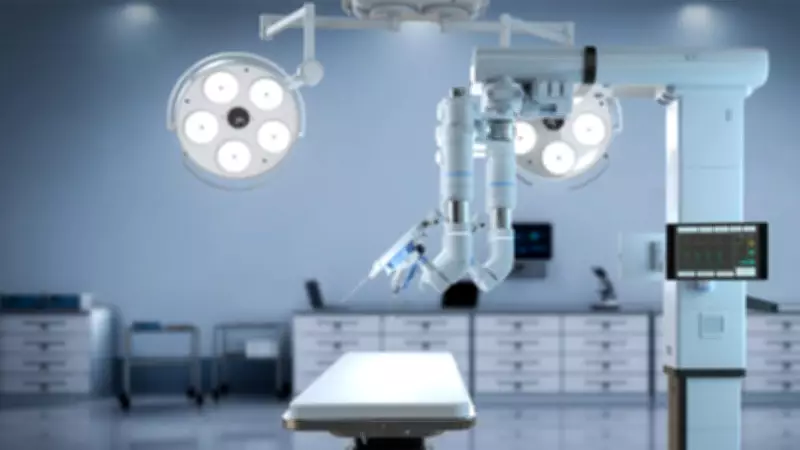
Unlike conventional thoracic surgery, which requires a large incision and rib spreading, robotic surgery is performed through tiny keyhole incisions using advanced robotic technology. This allows surgeons greater precision and control while reducing trauma to the chest. The minimally invasive approach also enabled precise lymph node dissection and adherence to standard oncological principles while reducing postoperative trauma.
Benefits for High-Risk Patients
Patients with severe COPD and poor lung reserve are often considered unfit for major lung cancer surgery because recovery itself can place enormous stress on breathing. In this case, the challenge was not only removing the cancer safely but also ensuring the patient could recover without worsening respiratory compromise.
Dr. Suraj Manjunath, Senior Consultant Surgical Oncologist at Apollo Hospitals Bangalore, stated: "Robotic surgery helped us avoid a large chest incision and rib spreading, which can be particularly difficult for patients with weak lungs. Combined with meticulous prehabilitation, it allowed us to offer curative treatment to a patient who otherwise may not have had a surgical option."
Recovery and Outcomes
Despite being categorized as a high-risk surgical candidate, the patient's recovery was smooth. He resumed oral intake on the same day as surgery and was mobilized the following day. Postoperative pain remained minimal and was managed with oral medications alone, enabling faster recovery and earlier return to routine activity.
Robotic thoracic surgical procedures provide potential opportunities for curative treatment to carefully selected elderly or high-risk lung cancer patients by decreasing surgical trauma to the lungs, reducing postoperative pain, and minimizing the potential for pulmonary complications. Currently, the patient is recovering well after surgery and is performing his regular day-to-day activities with confidence and comfort.