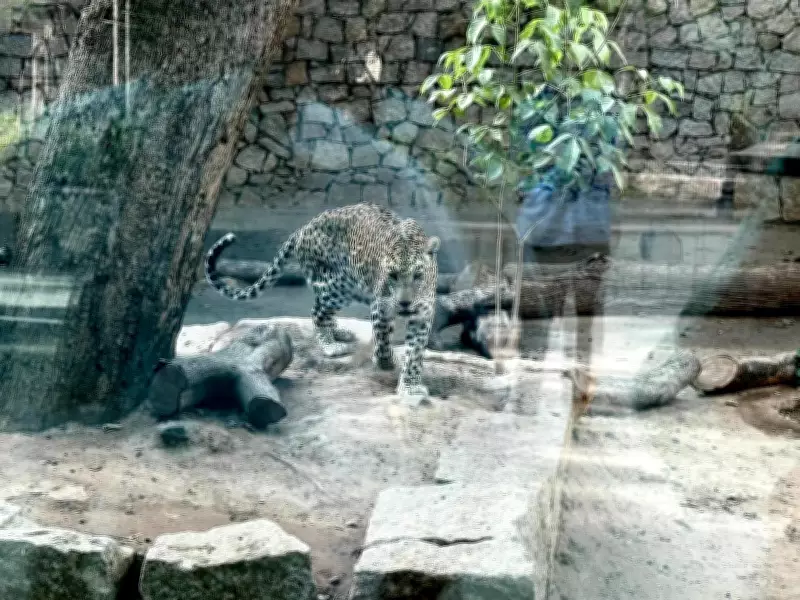
Ahmedabad is experiencing an intense summer with temperatures exceeding 42 degrees Celsius, and the residents of Kamla Nehru Zoological Garden, commonly known as Kankaria Zoo, are also feeling the heat. Unlike humans who can retreat indoors, the zoo's tigers, otters, monkeys, and reptiles depend entirely on an elaborate network of care designed to shield them from the brutal sun.
Adapting Animal Routines
At the sprawling zoo, the rhythm of animal life changes with the weather. Big cats are allowed movement mostly during the cooler evening hours. Otters spend much of their day submerged in water pools, while monkeys visibly perk up as caretakers spray a refreshing mist through their enclosures.
Cooling Systems in Place
Behind these scenes lies a carefully coordinated summer management system. Zoo staff carry out regular mist sprinkling to lower ambient temperatures and prevent heat stress among the animals. Adding to these efforts is an underground geothermal pipe network installed across enclosures, which helps maintain temperatures lower than the outside environment even during peak afternoon heat.

"The zoo is more than just a medium of entertainment. Conservation, education and research is the main reason for why zoos exist," said zoo advisor Dr. R K Sahu, who has spent over three decades at the facility. For many caretakers, the bond with the animals goes beyond professional duty. Veteran caretaker Ranjitsinh Jadeja, who has worked at the zoo for nearly 40 years, described the animals as "family members" whose wellbeing is deeply tied to the surrounding ecosystem.
Additional Measures
The care extends far beyond shade and cooling systems. Lions, tigers, and leopards are provided coolers inside their enclosures, while several other animals receive water pools replenished regularly with ORS mixtures to prevent dehydration. Dense plantation across the zoo also acts as a natural shield against the harsh sunlight.
Veterinary Monitoring
Veterinarians say prolonged heat can alter animals' behavior much like it affects humans — causing lethargy, irritability, and stress. Teams of doctors and trained staff therefore remain on constant watch for signs of dehydration, illness, or unusual behavior.