AI-Powered App Shwaasa Validated by AIIMS to Address COPD Diagnostic Shortfall
An innovative artificial intelligence-powered mobile application, developed by a Karnataka-based startup and rigorously validated by the All India Institute of Medical Sciences (AIIMS), is poised to significantly bridge a critical diagnostic gap within India's primary healthcare infrastructure. The app, named Shwaasa, leverages an advanced algorithm-based platform to screen patients for chronic obstructive pulmonary disease (COPD), a major contributor to illness and morbidity across the nation.
Validation Study and Performance Metrics
AIIMS-Delhi conducted a comprehensive validation study involving 460 participants at its Ballabhgarh unit last year. The research compared Shwaasa's diagnostic capabilities against spirometry, which is considered the gold standard for lung function testing. The findings revealed a moderate overall correlation between the two methods, with the AI tool demonstrating strong agreement specifically in identifying severe cases of respiratory conditions.
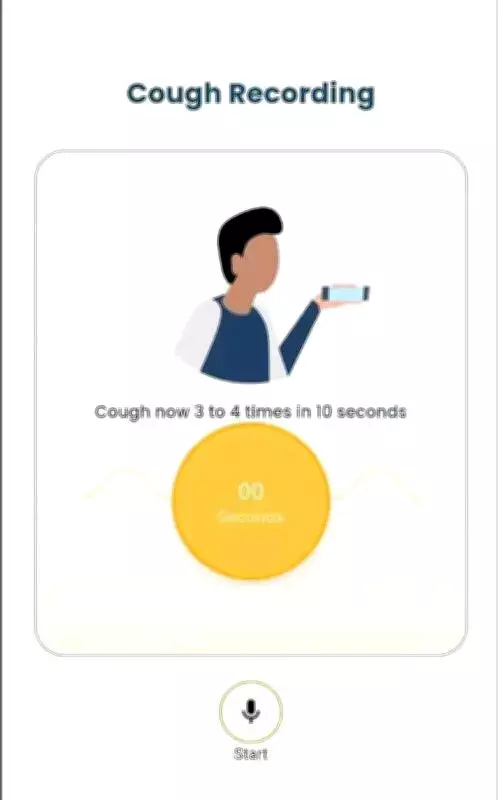
Here is how the application operates: A patient simply coughs into a smartphone. The device's microphone captures the sound, and the embedded AI software instantly analyses the acoustic patterns. Within minutes, the app provides a preliminary assessment, flagging whether the lungs appear normal or exhibit signs indicative of COPD or asthma.

The tool exhibits approximately 90% accuracy in distinguishing between normal and abnormal respiratory cases. Its precision in identifying specific conditions, such as COPD and asthma, ranges from 82% to 87%. The detailed findings from this validation study are currently in the process of being published in scientific journals.
Addressing a Critical Healthcare Challenge
COPD stands as the second leading cause of morbidity in India. Despite its prevalence, access to spirometry—the essential diagnostic equipment—remains severely limited. This technology is largely unavailable in most district hospitals and primary healthcare centers across the country.
"Even many district hospitals do not have spirometry facilities. It is largely limited to medical colleges," explained Dr. Harshal Ramesh Salve of AIIMS, who was actively involved in the validation process of the Shwaasa app.
The AI application analyses breathing patterns through a straightforward mobile interface and delivers a diagnostic output within eight minutes. Crucially, unlike traditional spirometry, it does not necessitate specialised medical training or elaborate, costly equipment. This makes it exceptionally suitable for deployment in resource-constrained settings.
Recommended Deployment and Future Applications
Medical experts from AIIMS have recommended the strategic deployment of this tool in primary and secondary healthcare facilities where spirometry is unavailable. This includes Ayushman Arogya Mandirs, which serve as critical touchpoints in community health.
While the Shwaasa app is not intended to replace spirometry at advanced tertiary care centers like AIIMS, it is positioned as an effective and efficient screening tool at the community level. "It is user-friendly, quick and requires minimal setup. Doctors can use it at their desk," added Dr. Salve.
In addition to COPD and asthma screening, AIIMS is also assessing the utility of this AI platform for tuberculosis screening as part of a separate, ongoing research project, potentially expanding its impact on public health.
Current Implementation and Scaling Plans
The Shwaasa application is already in active use within several states, including Karnataka. Concrete plans are now underway to scale up its implementation in regions like Faridabad. This expansion strategy involves engaging private medical practitioners and meticulously documenting real-world health outcomes to further validate and refine the tool's effectiveness in diverse clinical environments.