AI Revolutionizes the Art of Saree Design and Production
In a groundbreaking fusion of tradition and technology, Artificial Intelligence (AI) is now playing a pivotal role in the design and production of sarees, offering significant support to weavers across India. This innovative application leverages AI algorithms to assist in creating intricate patterns, selecting color palettes, and optimizing manufacturing processes, thereby enhancing both creativity and efficiency in the age-old craft.
Empowering Weavers with Modern Tools
The integration of AI into saree design marks a transformative shift for the textile industry, particularly for traditional weavers who have long relied on manual techniques. AI tools can analyze historical designs, cultural motifs, and current fashion trends to generate unique and appealing saree patterns. This not only speeds up the design phase but also provides weavers with a broader range of creative options, helping them stay competitive in a rapidly evolving market.
By automating repetitive tasks, AI allows weavers to focus on the artistic aspects of their work, preserving the craftsmanship that defines Indian textiles. Moreover, AI-driven systems can predict demand for specific designs, enabling weavers to produce sarees that are more likely to sell, reducing waste and increasing profitability.

Enhancing Production Efficiency and Quality
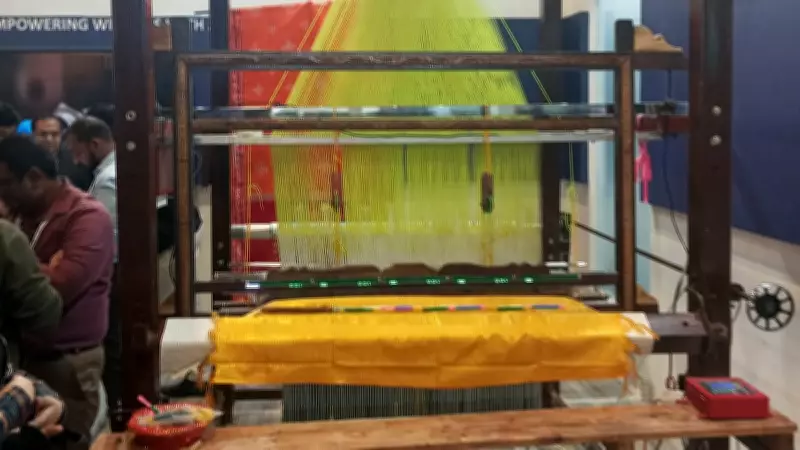
Beyond design, AI is revolutionizing the production process itself. Machine learning algorithms can monitor weaving looms in real-time, detecting errors or inconsistencies that might compromise quality. This proactive approach ensures that each saree meets high standards, minimizing defects and improving overall output. Additionally, AI can optimize resource allocation, such as yarn usage and labor scheduling, leading to cost savings and more sustainable practices.
The use of AI in saree production is not about replacing human skill but augmenting it, providing weavers with data-driven insights to make informed decisions. For instance, AI can suggest adjustments to weaving techniques based on material properties or environmental conditions, resulting in sarees that are both beautiful and durable.
Bridging Tradition and Innovation
This technological advancement is particularly significant in regions where saree weaving is a vital part of the cultural and economic fabric. By adopting AI, weavers can preserve traditional methods while embracing modern efficiencies, ensuring that this heritage craft thrives in the digital age. Training programs and initiatives are being developed to help weavers become proficient with AI tools, fostering a new generation of tech-savvy artisans.
The impact extends beyond individual weavers to the entire supply chain, from designers to retailers. AI-generated designs can be easily shared and customized, facilitating collaboration and innovation across the industry. As a result, consumers benefit from a wider variety of sarees that blend timeless elegance with contemporary flair.
In summary, the integration of AI into saree design and production represents a major step forward for the textile sector. It empowers weavers with cutting-edge technology, enhances quality and efficiency, and bridges the gap between tradition and innovation, ensuring that the art of saree-making continues to flourish in the 21st century.