

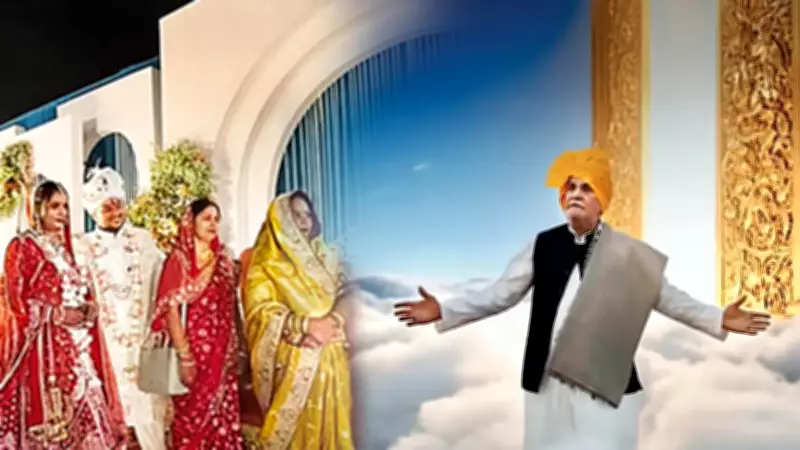
AI Deepfake Technology Revives Deceased Relatives at Indian Weddings
At first glance, it appears to be an ordinary wedding ceremony with the traditional shehnai music playing softly in the background. However, the atmosphere soon shifts as the music dips and a large screen illuminates, revealing a surreal scene of gates amidst the clouds. As the gates part, a staircase emerges, and a familiar figure descends—someone who has passed away but now appears resplendent in wedding regalia, greeting family members, blessing the couple, and sometimes even speaking.
The Rise of AI-Animated Deepfakes in Celebrations
Across India, a growing number of families are turning to artificial intelligence to create animated deepfakes of deceased loved ones, often referred to as deadbots or griefbots. These digital avatars are being integrated into wedding montages and celebratory videos, allowing families to include those who are no longer physically present in their special moments.
This innovative use of technology blends emotional significance with advanced AI capabilities, offering a unique way to honor and remember departed family members during joyous occasions.

How AI Deepfakes Are Transforming Wedding Traditions
The process typically involves using AI algorithms to generate realistic animations based on photos, videos, or audio recordings of the deceased. These avatars can be customized to wear traditional wedding attire and perform specific actions, such as:
- Greeting guests and family members with personalized messages.
- Blessing the newlywed couple with heartfelt speeches or gestures.
- Participating in key moments of the wedding ceremony through pre-recorded or AI-generated dialogue.
This trend highlights how technology is being adapted to meet cultural and emotional needs, particularly in contexts where family presence is deeply valued.
Implications and Ethical Considerations
While the use of AI deepfakes in weddings offers comfort and continuity for grieving families, it also raises important ethical questions. Experts point to potential issues such as:
- The need for consent from all family members before creating and displaying such avatars.
- Ensuring that the technology is used respectfully and does not cause emotional distress.
- Addressing concerns about the authenticity and long-term impact of digital resurrections.
Despite these challenges, the practice continues to gain traction, reflecting a broader trend of integrating AI into personal and cultural rituals.
Future Prospects and Cultural Impact
As AI technology advances, the applications for deepfakes in celebrations are likely to expand. Families may explore more interactive features, such as conversational avatars that can respond in real-time or integrate with other digital elements of the wedding.
This phenomenon underscores the evolving relationship between tradition and innovation in India, where technology is increasingly being harnessed to preserve memories and enhance emotional connections during significant life events.






