

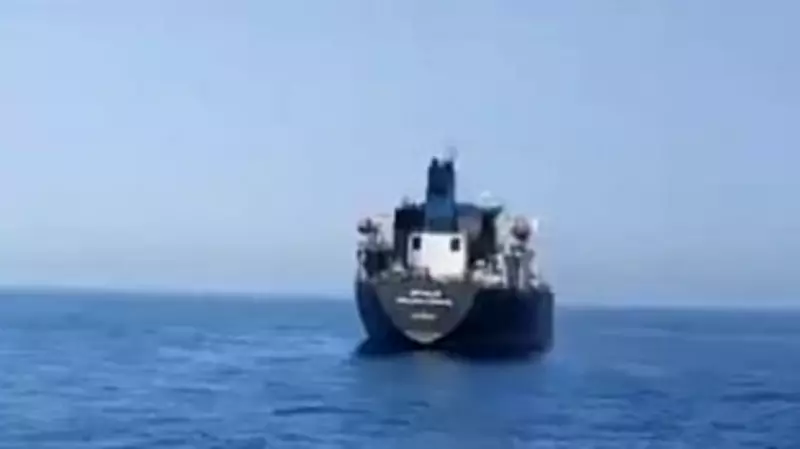
Seafarers' bodies and unions have strongly condemned the recent US Navy attacks that led to the tragic deaths of three Indian nationals, calling for immediate measures to ensure the safety of civilian crews operating in conflict zones.
Incident Overview
The incident occurred when US Navy forces engaged in operations that inadvertently struck civilian vessels, resulting in the loss of three Indian seafarers. The deaths have sparked outrage among maritime organizations, which are now demanding stricter protocols to prevent such tragedies.
Demands for Protection
Leading seafarers' unions have issued a joint statement urging international maritime authorities and navies to implement clear guidelines for the protection of civilian crews. They emphasize that seafarers, who are often caught in crossfires, must be recognized as non-combatants and shielded from military actions.

- Immediate cessation of operations near civilian shipping lanes without prior warning.
- Establishment of a dedicated hotline for navies to coordinate with civilian vessels.
- Compensation and legal support for families of affected seafarers.
Government Response
The Indian government has taken up the matter with US officials, seeking a thorough investigation and accountability. Meanwhile, the Ministry of External Affairs has assured the families of the deceased of all possible assistance.
Broader Implications
This incident highlights the growing risks faced by seafarers in volatile regions. Industry experts note that with increasing geopolitical tensions, civilian crews are more vulnerable than ever. They call for a multilateral framework to ensure the safety of maritime workers globally.
- Review of existing international maritime laws to include stronger protections for civilian crews.
- Enhanced training for naval personnel to distinguish between military and civilian targets.
- Regular monitoring and reporting of incidents involving civilian vessels.
The demands come as a stark reminder of the human cost of military operations and the urgent need for diplomatic solutions to prevent further loss of innocent lives.






