AI Reshapes India's Job Market: Demographic Dividend or Disruption?
India finds itself at a unique demographic crossroads, possessing one of the youngest populations globally. For years, economists and policymakers have heralded this as a demographic dividend, a vast working-age cohort poised to fuel unprecedented economic growth. However, the lightning-fast advancement of artificial intelligence is fundamentally altering the landscape of employment and productivity.
The Acceleration of Technological Change
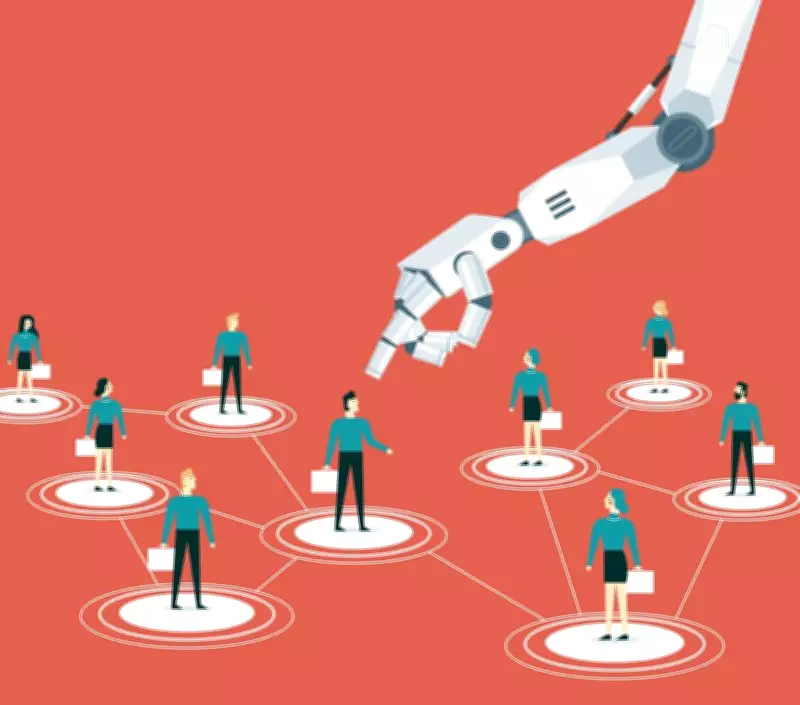
The transformation is no longer a distant theoretical concept. Automation, generative AI systems, sophisticated robotics, and algorithmic management tools have moved from speculative futures to tangible, present-day realities. These technologies are being integrated across sectors at an unprecedented pace, reshaping how work is performed, managed, and valued.
This rapid integration presents a dual-edged sword for the Indian economy. On one hand, AI offers immense potential to boost efficiency, create new industries, and solve complex challenges. On the other, it poses significant risks of job displacement, skill obsolescence, and increased economic inequality if not managed proactively.

The Critical Policy Imperative
The central question facing the nation is whether its governance and policy frameworks can effectively harness this technological wave. The challenge is to convert potential demographic disruption into sustained opportunity. This requires a multi-faceted approach focusing on several key areas:
- Education and Reskilling: Revamping educational curricula and creating massive, accessible reskilling programs to prepare the current and future workforce for AI-augmented roles.
- Social Safety Nets: Developing robust systems to support workers during transitional periods, mitigating the human cost of economic restructuring.
- Innovation Ecosystem: Fostering an environment that encourages Indian-led AI innovation, ensuring the country is a creator, not just a consumer, of these transformative technologies.
- Inclusive Growth Strategies: Implementing policies that ensure the benefits of AI-driven productivity are broadly shared across society.
The window for strategic action is narrowing. The speed of AI adoption means that the decisions made today by government, industry, and educational institutions will critically determine whether India's demographic profile becomes its greatest asset or a source of profound socioeconomic challenge. The nation's ability to navigate this technological shift will define its economic trajectory for decades to come.