Empty Rhetoric of AI Summits is Failing the Public in India
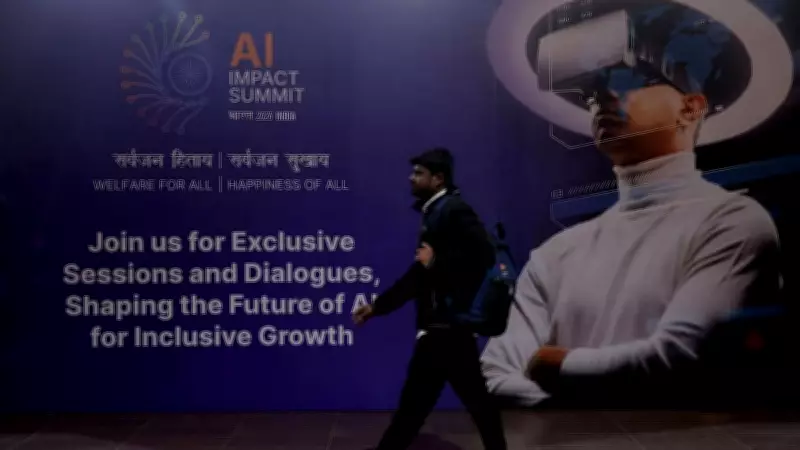
While espousing principles of inclusion and broad participation, India's recent artificial intelligence summits have predominantly showcased the nation's billionaire elites and prominent tech entrepreneurs, creating a significant disconnect with the general public. This trend highlights a growing concern that critical discussions about AI's future are becoming increasingly exclusive, despite official rhetoric promoting democratic access to technology advancements.
The Disconnect Between Promised Inclusion and Actual Representation
Artificial intelligence summits in India have consistently emphasized themes of inclusion and equitable technology development in their public messaging. However, the actual composition of speakers, panelists, and featured participants reveals a starkly different reality. These events have become platforms dominated by established billionaire figures and successful tech entrepreneurs, effectively marginalizing voices from diverse socioeconomic backgrounds, academic researchers outside elite institutions, and community representatives who could offer ground-level perspectives on AI implementation.
The focus on elite participants creates several problematic outcomes:

- It reinforces existing power structures within the technology sector
- It limits the diversity of viewpoints considered in AI policy discussions
- It creates a perception that AI development serves primarily commercial interests rather than public good
- It excludes critical perspectives on how AI might impact marginalized communities
How Summit Structures Perpetuate Exclusionary Practices
The very architecture of these AI summits contributes to their exclusionary nature. High registration fees, invitation-only sessions, and location choices that favor metropolitan centers create substantial barriers to participation for most citizens. Meanwhile, media coverage tends to spotlight celebrity tech figures and their corporate announcements rather than substantive discussions about AI ethics, regulatory frameworks, or implementation challenges that affect ordinary people.
This approach contradicts the inclusive vision frequently articulated in summit opening statements and official documentation. While organizers tout these events as platforms for national dialogue about artificial intelligence, the practical reality suggests they function more as networking opportunities for established industry players and showcases for corporate achievements.
The Consequences of Excluding Public Voices from AI Discourse
When artificial intelligence summits prioritize billionaire elites and tech entrepreneurs over broader public representation, several negative consequences emerge for India's technological development:
- AI policies may reflect commercial priorities rather than societal needs
- Public trust in AI initiatives may erode due to perceived elitism
- Implementation challenges at community levels may be overlooked
- Ethical considerations around AI deployment may receive insufficient attention
- The digital divide could widen as AI development follows elite-driven agendas
This pattern raises fundamental questions about who gets to shape India's AI future and whose interests are truly being served by these high-profile technology summits. As artificial intelligence becomes increasingly integrated into daily life, from healthcare diagnostics to financial services and governance systems, ensuring diverse participation in these discussions becomes not just idealistic but essential for creating equitable technological systems.
The current approach to AI summits risks creating a parallel narrative where public inclusion remains rhetorical while practical participation remains restricted to economic and technological elites. Addressing this disconnect requires structural changes to how these events are organized, funded, and publicized to genuinely reflect the inclusive principles they claim to champion.