Unauthorized AI Version of Late Dilbert Creator Scott Adams Posts Podcasts, Alarming Family and Followers
In a disturbing development that has raised significant ethical and legal questions, an unauthorized artificial intelligence version of Scott Adams, the creator of the popular comic strip Dilbert, has begun posting podcast episodes online. This digital doppelgänger emerged just weeks after Adams' death from prostate cancer on January 13 at the age of 68, causing alarm among his family and longtime followers.
Family Announces Death and AI Emergence
Scott Adams' ex-wife and caregiver, Shelly Miles, announced his passing during a livestream of his long-running show, stating, "Unfortunately, this isn't good news, of course, he waited 'til just before the show started, but he's not with us anymore." Within weeks, a digital version of Adams appeared online, with an account on X called AIScottAdams posting episodes titled "AI Coffee with Scott Adams" starting January 27.
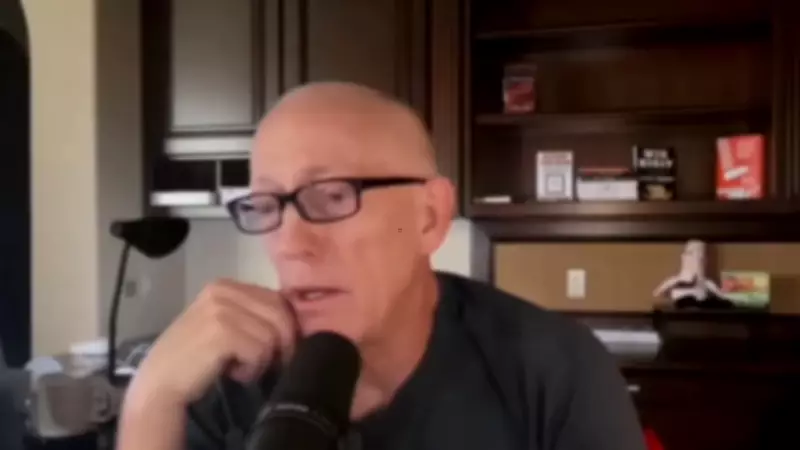
The videos feature a strikingly similar likeness and voice to the late cartoonist, discussing familiar themes and even sipping from a digital version of his trademark coffee mug. This unauthorized replication has deeply unsettled those closest to him, including his brother Dave Adams, who emphasized in a statement, "My brother never intended, never would have approved, an AI version of him that wasn't authorized by himself or his estate."

Mirroring Adams' Original Format and Content
Adams had hosted "Real Coffee with Scott Adams" nearly daily since 2018, blending political commentary with persuasion techniques, a subject he often explored in his self-help style books. As a trained hypnotist, he frequently focused on reframing language and influencing thought patterns. The AI-hosted version mirrors this format closely, down to tone and cadence, creating an eerie and unsettling experience for listeners.
Friends and followers quickly raised objections to the unauthorized AI content. AI researcher Brian Roemmelle wrote on X, "It is my firm insight that this needs to halt. 1: The family of @ScottAdamsSays must have full physical and commercial control. 2: The visual, audio and subject content quality is not to the level I believe Scott would have approved of."
Broader Ethical Concerns and Past Comments
Speaking to The Post, Roemmelle broadened the concern beyond this single case, questioning fundamental issues of identity and ownership. He stated, "Do you own your likeness, and what is the line? If you don't own your likeness then what are you? Who owns you? Define what that means if you don't get to own yourself." He warned of potential chaos if boundaries are not established, saying, "If we don't define the line of where a tribute ends and an outright robbery and theft begins there's going to be outright chaos, what's left of your humanity will be rapidly stripped away."
Complicating the situation are Adams' own past comments on digital replication. In one clip now circulating from the AI account, a version of Adams appears to voice approval, stating, "I would like to be a model for one of the first AIs ... I would be a good candidate to turn into AI even if you're just practicing." However, in later episodes of his original podcast, Adams walked back this idea, noting, "I've been telling you for years that I plan to build an AI robotic clone of myself, I have changed that plan... when you mention that to people you know, they look at you with sadness and they go 'it wouldn't be you.'"
Family Discussions and Emotional Impact
Dave Adams revealed that the brothers had often discussed the potential for unauthorized AI recreations. He shared, "I said it would be awful for me to see and speak with something that sounded and appeared to be him, but had no idea who I am. Scott agreed that would be important to him as well." This highlights the emotional toll such digital replicas can have on grieving families, blurring the lines between tribute and exploitation.

The emergence of this AI version of Scott Adams underscores urgent questions about posthumous digital rights, consent, and the ethical use of artificial intelligence in replicating public figures. As technology advances, cases like this are likely to become more common, necessitating clear legal frameworks and societal discussions to protect individuals' legacies and their families' wishes.