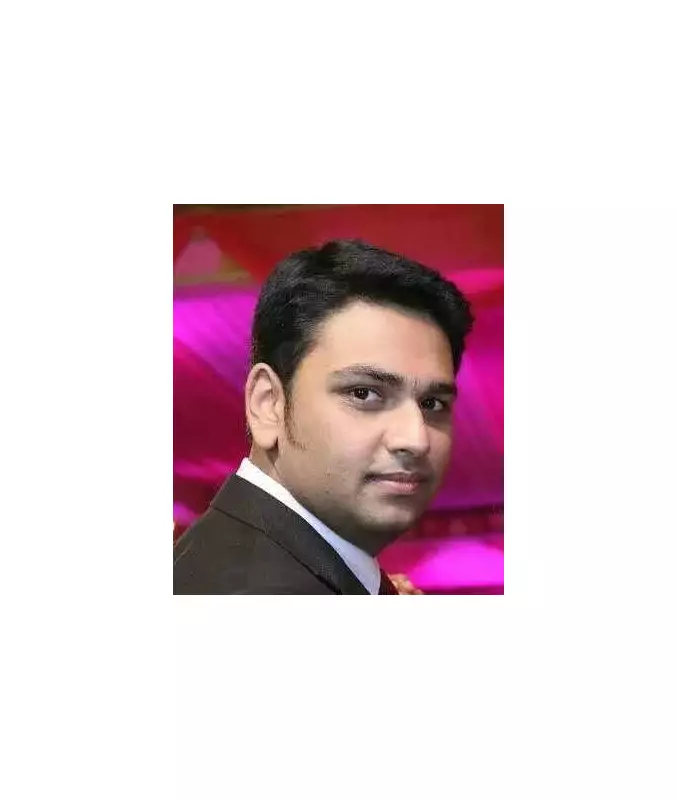
In an era where artificial intelligence (AI) writing tools are becoming ubiquitous, the essence of true authorship remains firmly a human trait, according to a leading figure in India's literary world. Suhail Mathur, the award-winning literary agent, author, and founder of The Book Bakers, has drawn a clear line between AI-assisted content and genuine human creation.
The Irreplaceable Human Touch in Authorship
Speaking in Nagpur, Mathur acknowledged AI's ability to generate text rapidly but emphasized its fundamental limitations. He stated that while AI can mimic styles by borrowing from existing writers, it cannot replicate the unique individuality and conscious intent that define an author. "AI is machine-generated. You give it a prompt and it produces content by borrowing styles from multiple writers," Mathur explained. "If both the idea and the style come from AI, then the question is: what is the author contributing?"
He revealed encountering confusion among writers about the ethical boundaries of using AI. Mathur shared a telling anecdote where a writer presented a manuscript of ten short stories, with nine crafted using AI and only one penned personally. The writer wanted readers to guess the human-written story. Mathur advised against this approach, warning that it would mislead readers and potentially create copyright complications, as most of the book was not the writer's original work.

Why AI Falls Short in Editing and Context
Mathur also highlighted AI's shortcomings in critical areas like editing and contextual accuracy. He recalled an author inquiring if AI could be used for editing to reduce costs. Mathur's sharp retort was to ask if he should then use AI to write the author's book and save on representing him. This underscored his belief that human editors bring an irreplaceable contextual understanding that machines currently lack.
He pointed to specific challenges in the Indian publishing landscape, where publishers often prefer UK English. Small variations in language can significantly alter meaning, and these nuanced differences are not always accurately identified by AI tools. This gap, Mathur argues, necessitates the skilled eye of a human professional.
The Path for Writers in the AI Age
For aspiring authors, Mathur's advice is unequivocal: there are no shortcuts. He stresses that consistent effort, dedicated research, wide reading, and vocabulary building are non-negotiable for building a credible writing career. "When these steps are skipped, it shows," he said, noting he has reviewed manuscripts with basic factual errors that should have been caught during editing. The core choice for writers, according to Mathur, is between publishing just one book and building long-term trust with a dedicated readership.
Despite the ongoing debate around AI, Mathur expressed strong optimism about Indian storytelling's global relevance. His agency, The Book Bakers, has successfully placed over 1,600 books with publishers and is currently handling more than 400 manuscripts. He also referenced the deep historical links between Indian narratives and global literature, noting stories that have inspired Western fiction for centuries.
On the business of publishing, Mathur noted that the literary agency ecosystem in India is still evolving compared to mature markets like the US and UK. "What agencies provide here is access, speed and fairness," he said, explaining that publishers tend to respond more promptly to submissions from known agents due to established professional relationships.
While acknowledging the growth of self-publishing, Mathur pointed out that it continues to face significant credibility challenges. "Bookstores are hesitant to stock self-published titles, and such books are often ineligible for major awards," he stated. He concluded that while the traditional publishing route takes time, it ultimately offers a book greater longevity and market legitimacy.