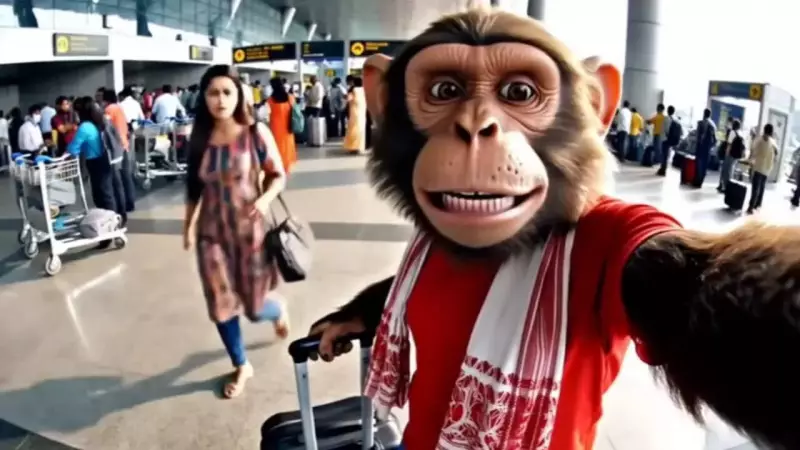
A YouTube channel from India has become the unlikely epicenter of a major international discussion concerning Artificial Intelligence, the nature of creativity, and the economics of online content. The channel, named Bandar Apna Dost, has achieved staggering financial success by leveraging AI to create bizarre, silent animations, raising profound questions about the future of digital platforms and human creators.
The Meteoric Rise of an AI-Powered Channel
Bandar Apna Dost features short, illogical animations primarily starring a cartoon monkey and hyper-muscular characters in nonsensical situations. The content contains no dialogue, coherent narrative, or discernible meaning. Ironically, this lack of substance is key to its viral, borderless appeal, allowing it to transcend language barriers and gather a global audience with ease.
According to a worldwide survey by video editing platform Kapwing, the channel's financial performance is jaw-dropping. It is estimated to generate an average of $4.25 million (approximately Rs 35-38 crore) in yearly revenue. This wealth stems primarily from YouTube ad monetization, fueled by over two billion views and several million subscribers accumulated in just a few months. With production costs virtually zero due to AI generation, nearly all revenue translates into pure profit.

The 'AI Slop' Phenomenon and Its Algorithmic Engine
Experts label Bandar Apna Dost as the poster child for the AI slop phenomenon. This term describes videos crafted solely to trigger clicks and recommendations from platform algorithms, prioritizing endless viewability over storytelling or originality. The Kapwing study indicates this is not an isolated case, identifying at least 278 similar channels worldwide that have collectively amassed over 63 billion views and 200 million subscribers.
Digital rights analysts suggest the content's addictive draw lies in its ridiculous imagery and hyper-masculine themes, which demand no mental effort from the viewer. The passive, scroll-friendly nature of these silent, story-less clips, combined with curiosity and shock value, makes them particularly engaging for younger audiences, despite the complete absence of substantive meat in the content.
Implications for Creators and the Digital Ecosystem
The runaway success of Bandar Apna Dost has ignited serious concerns about the future landscape for online creators. A primary fear is that the explosive growth of AI slop content, optimized purely for algorithmic favor, could marginalize independent human creators who invest significant time, skill, and genuine creativity into their work.
Conversely, the channel's profit figures starkly illustrate the formidable power of artificial intelligence technology when harnessed to exploit the recommendation algorithms of platforms like YouTube. This situation presents a critical dilemma for the platform: its own data-driven systems are being used to promote low-effort, AI-generated content at an unprecedented scale, potentially undermining the diverse creative ecosystem it was built to host.
The story of Bandar Apna Dost is more than a quirky success tale; it is a clear signal that the intersection of AI, content monetization, and platform design is triggering a fundamental reassessment of value, creativity, and sustainability in the digital age.