Amazon CEO Andy Jassy Addresses AI's Impact on Employment Amid Block's Layoffs
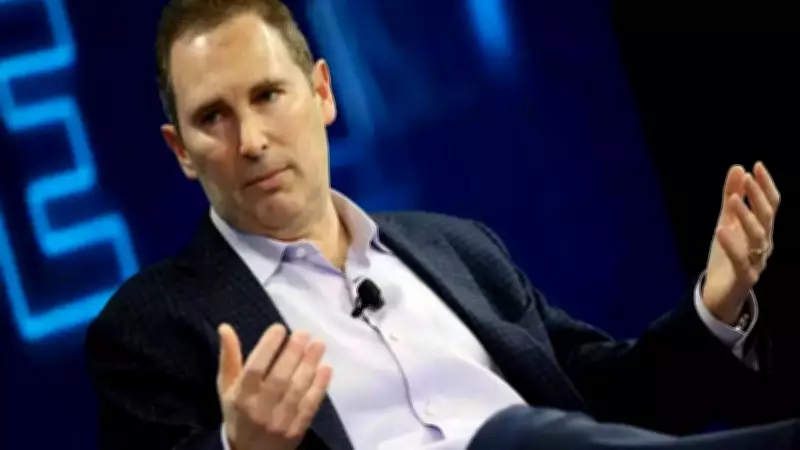
Amazon CEO Andy Jassy recently commented on the broader implications of artificial intelligence (AI) for the global workforce, while cautiously avoiding direct analysis of Block's massive job cuts. In an interview with CNBC, Jassy acknowledged that he had not fully processed the news about Block CEO Jack Dorsey's decision to slash nearly half of his company's employees. However, he did not shy away from discussing the overarching reality: AI is set to reduce the number of humans required for many tasks, though new opportunities will likely arise in response.
Jassy's Perspective on AI and Workforce Dynamics
Jassy emphasized that each company will independently determine its staffing needs in the AI era. "I do believe that a lot of the jobs that we've thrown human beings at for the last 20 or 30 years, you won't need as many human beings doing those same jobs," he stated. "But I also think there will be other jobs created. And that has always happened in every technology shift." He framed this change as a "transition" rather than a collapse, pointing to roles like cloud solutions architects—which did not exist 15 years ago but now employ tens of thousands worldwide—as evidence that technological advancements can generate new employment avenues.
Block's Layoffs and the AI-Driven Rationale
Jassy's remarks followed Block's announcement of plans to cut approximately 4,000 employees, reducing the fintech company's workforce from over 10,000 to around 6,000. Dorsey attributed these cuts to AI tools transforming how companies are built and operated, a move that led to a more than 20% surge in Block's stock price. This event highlights the growing tension between AI-driven efficiency gains and job security in the tech industry.

Amazon's Internal Stance and Employee Backlash
Jassy has been vocal about AI's potential to reshape work for months. In a June 2025 memo to Amazon employees, he wrote that generative AI and agents would "change the way our work is done" and anticipated a shrinkage in the corporate workforce as efficiency improvements take effect. This memo sparked immediate backlash, with internal Slack channels flooding with criticism from concerned employees. Despite this, Jassy maintained a measured tone in his recent comments, urging collective adaptation to the evolving landscape.
Broader Trends and Statistical Evidence
The impact of AI on employment is no longer theoretical, with tangible data emerging:
- Goldman Sachs estimated earlier this month that AI had already caused 5,000 to 10,000 net monthly job losses in 2025.
- Salesforce reduced about 4,000 roles last year, with CEO Marc Benioff citing a need for fewer employees.
- A November MIT study found AI could replace close to 12% of the U.S. workforce, underscoring the scale of potential disruption.
Jassy concluded by saying, "We'll all work through it together," leaving it open to interpretation whether this is genuine reassurance or corporate optimism. As layoff numbers continue to accumulate, the tech industry faces a pivotal moment in balancing innovation with workforce stability.