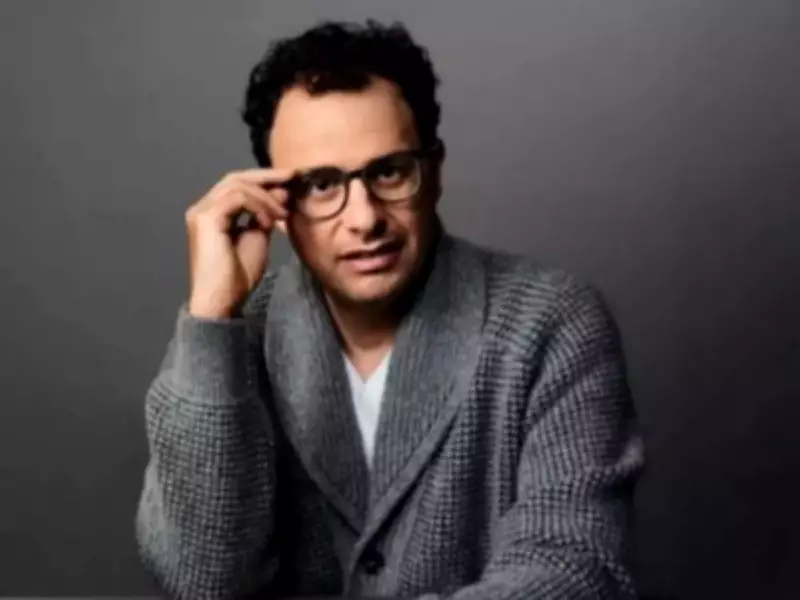
Anthropic CEO Condemns OpenAI's Pentagon Agreement as Major Safety Concern
In a significant development within the artificial intelligence industry, Anthropic CEO Dario Amodei has issued a sharp critique of OpenAI's recent contract with the US Department of Defense. Amodei described the deal as a substantial "safety threat" that raises serious ethical questions about military applications of advanced AI technology.
Contract Dispute Reveals Fundamental Ethical Divide
According to detailed reporting from The Information, Amodei communicated to Anthropic employees that the fundamental difference between OpenAI's acceptance of Pentagon terms and Anthropic's refusal came down to core principles. "They cared about placating employees, and we actually cared about preventing abuses," Amodei stated in a company memo.
This criticism follows Anthropic's failure to reach an agreement with the Department of Defense last week. The military agency requested unrestricted access to Anthropic's AI technology, but the company insisted on maintaining safeguards that would prevent domestic mass surveillance or autonomous weapon development. When the Pentagon declined these conditions, they subsequently secured a contract with OpenAI instead.

Accusations of Misrepresentation and Ethical Compromise
Amodei further accused OpenAI CEO Sam Altman of misrepresenting the contract terms, calling his public messaging "straight up lies." He argued that Altman was falsely presenting himself as a "peacemaker and dealmaker" while agreeing to terms that could potentially enable dangerous applications of artificial intelligence.
OpenAI has defended its position in a blog post, stating that their contract permits AI use for "all lawful purposes" while explicitly excluding domestic surveillance applications. However, critics including Amodei warn that legal frameworks can evolve, potentially opening pathways for future misuse of the technology.
Public Response and Market Impact
The public appears to be aligning with Anthropic's ethical stance. Following OpenAI's announcement of the Pentagon contract, ChatGPT uninstallations surged by an astonishing 295%. Meanwhile, Anthropic's application climbed to the number two position in the App Store rankings, indicating significant user support for their principled approach.
Amodei told his staff that while OpenAI's public relations efforts might influence "some Twitter morons," the broader media and public perception views OpenAI's deal as "sketchy or suspicious" while recognizing Anthropic as the ethical alternative in the AI landscape.
Anthropic's Firm Stance on AI Safeguards
Recently, Amodei published an extensive 800-word declaration affirming that Anthropic will not remove safeguards from its frontier AI model, Claude, despite pressure from the US Defense Department. "We cannot in good conscience accede to their request," Amodei wrote, emphasizing the company's commitment to responsible AI development.
He specifically warned that the Pentagon's demand for "any lawful use" authorization would force Anthropic to cross two critical ethical boundaries: enabling mass domestic surveillance and developing fully autonomous weapons systems.
Contradictory Pentagon Position and Anthropic's Contributions
Amodei noted the contradictory nature of the Pentagon's stance, which simultaneously labels Anthropic a national security risk while insisting that Claude technology is essential to national defense. He emphasized that Anthropic has already provided substantial value to US agencies by deploying Claude for intelligence analysis, cyber operations, and operational planning.
The CEO also revealed that Anthropic has proactively severed revenue streams connected to Chinese military firms and supported export controls designed to protect democratic advantages in artificial intelligence development.
This ongoing dispute highlights the growing tension between military applications of artificial intelligence and ethical safeguards within the technology industry. As AI capabilities advance rapidly, the debate over appropriate boundaries for military use continues to intensify, with Anthropic and OpenAI representing fundamentally different approaches to this critical issue.