Anthropic Unveils Claude Design: AI-Powered Workspace for Non-Designers
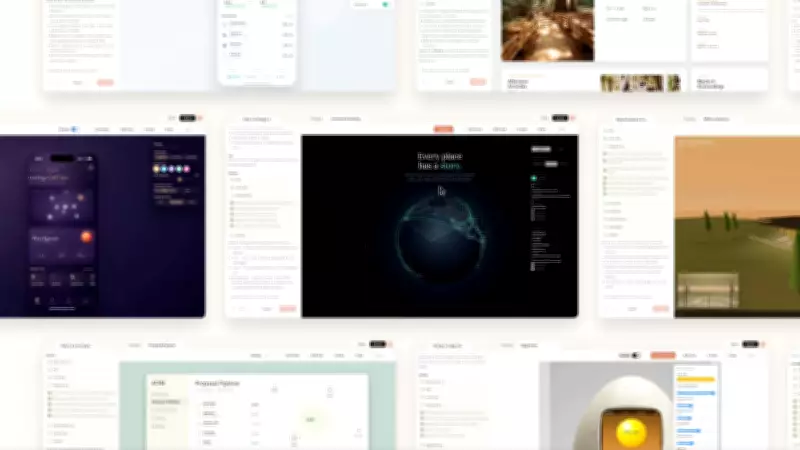
Anthropic has officially launched Claude Design, a groundbreaking standalone AI workspace that revolutionizes how professionals create visual content. This innovative tool transforms plain-text prompts into fully finished prototypes, comprehensive slide decks, detailed one-pagers, and polished marketing assets—all without requiring any design background whatsoever.
Accessibility and Availability
The tool is now live in research preview for Anthropic's Pro, Max, Team, and Enterprise subscribers. Remarkably, Claude Design comes included in existing subscription plans at absolutely no extra cost, making advanced design capabilities accessible to a broader range of users immediately.
Powerful Technology Behind the Tool
Claude Design is powered by Opus 4.7, Anthropic's newest and most advanced vision model. This cutting-edge technology can process images at resolutions up to 3.75 megapixels—more than three times the resolution capability of previous Claude models. This enhanced processing power enables the creation of detailed, high-quality visual assets directly from text descriptions.

Intuitive Workflow Process
The user experience is designed to be remarkably intuitive. Users simply describe what they want in plain language, and Claude Design builds a complete first draft automatically. Refinement happens through multiple channels: natural chat conversations, inline comments, direct edits, or custom sliders that Claude generates dynamically for specific design elements like color schemes, spacing adjustments, and layout modifications.
The entire process is engineered to feel iterative and collaborative—less like issuing rigid commands to traditional software, and more like bouncing creative ideas off a remarkably fast and capable colleague who understands both design principles and your specific vision.
Target Audience and Practical Applications
Claude Design is specifically built for people who've never opened professional design tools like Figma. The tool is deliberately aimed at non-designers including startup founders, product managers, marketers, educators, and anyone who has ever had a creative idea they couldn't visualize quickly enough.
Anthropic has collected compelling testimonials from early users. Brilliant, the popular education platform, reports that pages that previously required 20-plus prompts in competing AI design tools now need just two prompts in Claude Design. Datadog, the monitoring and security platform, states that what used to be a week-long cycle of briefs, mockups, and review rounds now fits comfortably inside a single conversation with Claude Design.
Export Capabilities and Integration
Finished work exports cleanly in multiple formats including PDF, PPTX, standalone HTML, or goes directly to Canva for further editing and refinement. Perhaps most impressively, there's a one-click handoff feature to Claude Code, which converts completed designs into production-ready code—keeping the entire creative-to-development workflow seamlessly inside Anthropic's expanding ecosystem.
Brand Learning Capabilities
Claude Design features an innovative onboarding process with a particularly clever trick: Users can point the tool at their company's existing codebase and design files, and it automatically builds a working design system from scratch—capturing actual brand colors, typography preferences, and component libraries that apply automatically to every subsequent project.
Teams can maintain multiple design systems simultaneously and refine them progressively over time. Additionally, a web capture tool pulls design elements directly from live websites, ensuring prototypes resemble the actual product from the very first draft rather than using generic placeholder elements.
Market Impact and Industry Reactions
The launch has already created significant ripples in the design software market. Figma shares fell 7.5% following the announcement, while Adobe stock dropped over 1%—a smaller but still notable market signal. The reason for this reaction is clear: Claude Design represents a fundamental shift in accessibility.

Unlike traditional design tools that assume a trained designer must be involved somewhere in the creative process, Anthropic's tool eliminates that requirement entirely. It goes directly to founders, product managers, and marketers—the very people who were never Figma's primary customers but whose companies were. These professionals can now create sophisticated designs simply by typing descriptive sentences.
Anthropic maintains that Claude Design is intended to complement existing tools like Figma and Canva rather than replace them entirely. The Canva export functionality and PPTX support seem to support this positioning. However, timing raises interesting questions: Anthropic's chief product officer Mike Krieger resigned from Figma's board on April 14th—just three days before Claude Design's launch—the same day reports surfaced that Anthropic was developing design capabilities competing directly with Figma's core products.