Apple has introduced a comprehensive set of accessibility features powered by Apple Intelligence, enhancing device usability for people with disabilities while demonstrating the integration of artificial intelligence into assistive technology. The updates, arriving later this year on iPhone, iPad, Mac, and Apple Vision Pro, add AI-driven capabilities to tools such as VoiceOver, Magnifier, and Voice Control, and introduce automatically generated subtitles for videos without captions.
Visual Accessibility Enhancements
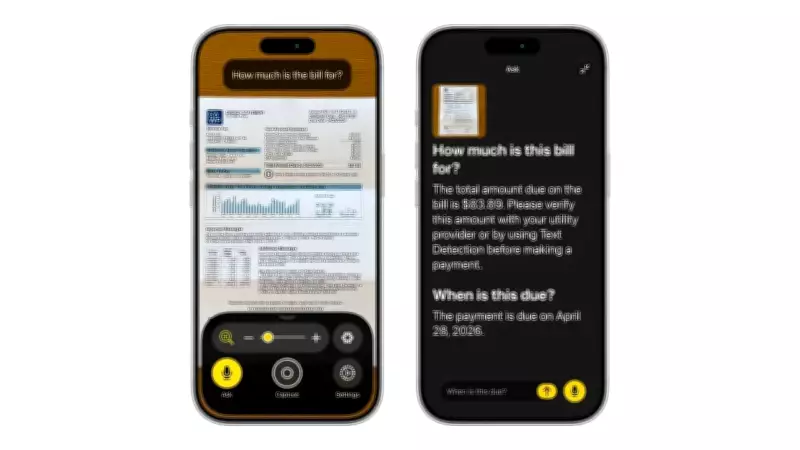
The most significant changes focus on visual accessibility. VoiceOver, Apple's screen-reading feature for blind and low-vision users, will now leverage Apple Intelligence to deliver more detailed image descriptions across apps and documents, including photographs, bills, and scanned records. Users can also ask follow-up questions about content in the camera viewfinder using natural language.
The Magnifier app receives similar upgrades, enabling verbal interaction through commands like 'zoom in' or 'turn on flashlight,' transforming accessibility tools into conversational assistants.

Voice Control Improvements
Apple is making Voice Control more intuitive. Instead of memorizing exact button names, users with physical disabilities can describe interface elements conversationally, using commands such as 'tap the purple folder' or 'open the guide about best restaurants.' This shift makes navigation more natural and accessible.
AI-Generated Subtitles
The company introduces AI-generated subtitles across its ecosystem. Videos without captions—including clips shared by friends, streamed online, or recorded on an iPhone—will automatically receive on-device transcriptions using Apple's speech recognition technology. These subtitles are processed privately on the device rather than in the cloud, reinforcing Apple's commitment to privacy-focused AI features.
Apple Vision Pro and Mobility
One of the most striking announcements involves the Apple Vision Pro. Users of compatible powered wheelchairs will be able to control mobility systems using Vision Pro's eye-tracking technology. This feature, launching initially in the US with support for Tolt and LUCI drive systems, is designed for individuals who cannot use traditional joystick-based wheelchair controls.
Expanded Support Across Platforms
Apple has also expanded accessibility support in entertainment and communication. Larger text options are coming to tvOS, sign language developers will gain new FaceTime APIs, and Sony's adaptive gaming controller will now work with Apple devices. These updates underscore Apple's commitment to inclusivity.
While accessibility updates are often considered niche, Apple increasingly positions them as mainstream innovations, particularly as AI enables devices to better interpret speech, visuals, and user intent in real time.