In instances where new consumer lifestyle brands are introduced into the retail market, consumers now expect the usual corporate story associated with such an event. They anticipate marketing campaigns that focus solely on current trends, celebrities, or innovative material designs aimed at widening profit margins. The typical business strategy tends to view a purchase as a mere transaction, satisfying individual consumer needs without considering broader social and economic issues.
However, a new form of corporation is turning this upside down by making shopping not merely an activity but a socially responsible one. In today's competitive world, sustainability as part of a successful brand involves not just product development but the connection between profit and public well-being.
The One-for-One Model: TOMS' Philanthropic Approach
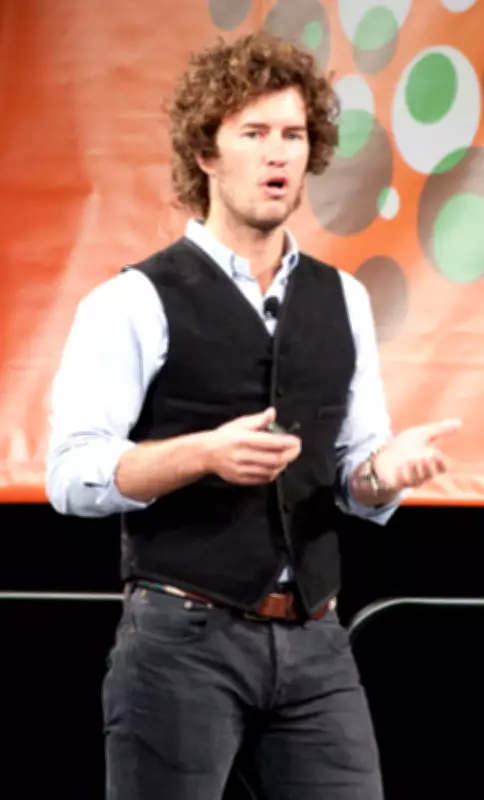
Entrepreneur Blake Mycoskie popularized this model by integrating a philanthropic pledge into his firm, TOMS. The commitment to donate one new pair of shoes for every purchase transformed shoe buying into an act of philanthropy, allowing consumers to support individuals in need.

Practical Assessment of Health Benefits from Product Donation
The main issue with international relief efforts has rarely been the willingness to help or the availability of consumer products, but rather the challenge of tailoring donated items to fit the exact needs of recipient communities. When a giving program relies on a too rigid approach, it can fail to consider environmental conditions in recipient countries. Only when a company's initiatives correspond to community needs can meaningful social change be achieved.
As explained in the article The One-for-One Business Model: Avoiding Unintended Consequences from Knowledge at Wharton, the buy-one-give-one philanthropy structure faces several field obstacles when used on a wide scale. The importation of vast amounts of free items into underdeveloped regions may disrupt local markets and harm local cobblers or independent traders who sell shoes for a living. By constantly supplying additional goods without involving local industries, companies risk creating dependency rather than promoting economic independence.
How Strategic Donation Communication Affects Consumer Behavior
Sending items around the world is just the first part of the process. The successful functioning of any company with a social mission depends largely on how donations are perceived by consumers. The psychological link between purchase and charitable act enabled the first marketing plan to achieve fast consumer engagement. As the business concept bundled consumer purchasing with a defined charitable act, each customer felt direct involvement in the charitable process.
This link is supported by research from various institutions on how charitable solicitation should be presented. An article by the Stanford Graduate School of Business titled How Nonprofits Make the Ask: Framing Donation Requests showed that people react positively to the idea of making a charitable donation linked to a product purchase. Buying something for the sake of benefiting a cause is considered an improvement on normal commercial activity. However, a small token given as a result of a selfless action reduces the perception of purity of the deed.
This psychological approach changed expectations about corporate responsibility. Although a commercial story can motivate millions of consumers, the legacy of a philanthropic approach depends on balancing consumer alignment with real-world results.