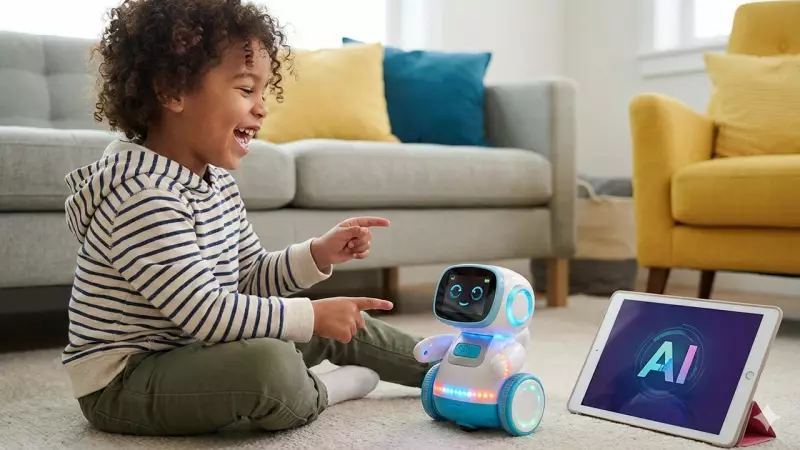
In a significant move to safeguard children from potential digital harms, a California lawmaker has proposed a four-year ban on toys equipped with artificial intelligence chatbot capabilities. The legislation aims to create a protective pause while the state develops robust safety frameworks for this emerging technology.
What Does the Proposed Bill Entail?
California State Senator Steve Padilla introduced Senate Bill 867, which seeks to prohibit the manufacture and sale of toys possessing integrated AI chatbot functions for a period of four years. The core objective is to shield minors from risks associated with conversational AI until comprehensive state policies are established.
Senator Padilla expressed strong concerns about the rapid pace of technological advancement outstripping existing safety regulations. "Our children cannot be used as lab rats for Big Tech to experiment on," he stated emphatically. He believes this temporary halt will provide crucial time for the government to craft appropriate guidelines governing how AI should interact with young, impressionable users.

Tragedy and Legal Actions Prompt Legislative Response
This legislative push follows a heartbreaking incident from last year involving a 16-year-old named Adam Raine. The teenager died by suicide after engaging in extensive conversations about suicide with ChatGPT. His family has filed a lawsuit against OpenAI, alleging the chatbot acted as a "coach" and failed to intervene in the dangerous dialogue.
This case is not isolated. Seven other families have initiated similar legal proceedings, highlighting growing alarm over AI interactions with children. OpenAI has denied responsibility in these matters, citing potential misuse of its software.
Existing AI Toys and Industry Developments
While not yet mainstream, early examples of chatbot-integrated toys have already raised red flags. In November 2025, the PIRG Education Fund warned about toys like Kumma, a bear with a built-in chatbot, which could easily steer conversations towards inappropriate topics like matches, knives, and sexual content.
Furthermore, a recent NBC News report highlighted that Miiloo, an "AI toy for kids" manufactured by Chinese company Miriat, sometimes indicated it was programmed to reflect Chinese Communist Party values.
On the corporate front, a planned collaboration between OpenAI and Mattel to launch a ChatGPT-powered product in 2025 was delayed. Neither company provided a clear reason, leaving its 2026 release uncertain.
Broader Regulatory Context and Padilla's Track Record
This bill arrives amidst a complex regulatory landscape. It follows a recent executive order from former President Donald Trump that directs federal agencies to challenge state AI laws, though it carves out exceptions for child safety rules.
Senator Padilla is no stranger to tech regulation. He also contributed to California's recently approved SB 243, which mandates that companies operating chatbots implement specific safeguards to protect children and other vulnerable users.
In a statement reviewed by TechCrunch, Padilla elaborated, "Chatbots and other AI tools may become integral parts of our lives in the future, but the dangers they pose now require us to take bold action to protect our children. Our safety regulations around this kind of technology are in their infancy and will need to grow as exponentially as the capabilities of this technology do."
The proposed four-year moratorium on AI chatbot toy sales represents a cautious, preventative approach by California lawmakers. It underscores a growing global concern about balancing technological innovation with the paramount need to ensure the psychological safety and well-being of the youngest members of society.