Cognizant AI Leader Challenges AI Disruption Narrative as Overblown
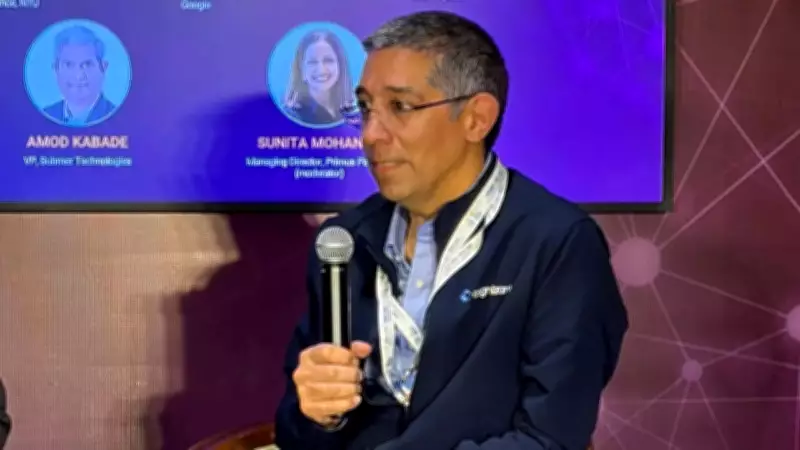
Cognizant's chief artificial intelligence officer, Babak Hodjat, has firmly dismissed widespread concerns that artificial intelligence will severely disrupt IT services companies, labeling such fears as "overblown." This significant statement arrives in the wake of substantial market turbulence, where advanced AI tools from companies like Anthropic have reportedly erased over a trillion dollars from global stock valuations.
Enterprises Still Require Extensive AI Support Systems
In an exclusive interview with Reuters, Hodjat emphasized that despite remarkable advancements in automated AI tools from innovative startups, businesses continue to demand substantial assistance to effectively deploy, integrate, and manage these complex systems. "That mapping is our job; it does not come just automatically out of the box," Hodjat explained, highlighting the critical role of human expertise in implementing AI solutions.
The AI executive, whose pioneering work contributed to the development of Apple's Siri voice assistant, asserted that the transition toward AI-driven transformation is actually fueling growth for established services firms rather than diminishing their relevance. Cognizant, which maintains more than 70% of its workforce in India, has recently projected annual revenue figures that surpass Wall Street expectations, signaling confidence in continued expansion.

Industry Peers Echo Optimistic Outlook on AI Demand
This optimistic perspective finds resonance across the competitive landscape, with major rivals including Tata Consultancy Services and Wipro similarly forecasting that widespread AI adoption will expand demand for software services rather than contract it. The consensus suggests that AI implementation creates new complexities that require specialized support, thereby generating additional business opportunities for IT service providers.
Contrasting Reality: AI-Related Job Reductions Emerge
Hodjat's reassuring assessment unfolds against a backdrop of emerging AI-related workforce reductions across multiple sectors. Shipping and logistics software firm WiseTech Global has announced plans to eliminate nearly one-third of its positions as it integrates artificial intelligence into both customer-facing software and internal operational processes.
Meanwhile, Tata Consultancy Services confirmed approximately 12,000 job cuts last year, though company representatives later clarified that these reductions were not directly linked to AI implementation strategies. This distinction highlights the nuanced relationship between technological advancement and employment patterns within the industry.
Cognizant's Strategic AI Integration and Hiring Commitments
Cognizant currently generates approximately 30% of its code using artificial intelligence systems, with ambitious plans to increase this proportion to 50% in the near future. Despite this aggressive automation push, company leadership maintains that entry-level positions will not face elimination through technological displacement.
During a recent earnings conference call, Cognizant CEO Ravi Kumar S revealed that the organization hired 25,000 fresh graduates in 2025 and anticipates exceeding that recruitment figure in 2026. This substantial investment in early-career talent demonstrates the company's commitment to workforce development alongside technological advancement.
Client Experimentation with AI Agents Requires Ongoing Support
Hodjat further disclosed to Reuters that nearly all of Cognizant's corporate clients have conducted experiments with various AI agents, but recognize they require continued professional support to effectively deploy these systems within existing infrastructure and generate measurable returns on investment. This realization underscores the enduring value proposition of IT services firms in the AI era, bridging the gap between theoretical capability and practical implementation.
The evolving narrative around artificial intelligence's impact on employment and business models continues to generate intense discussion, with industry leaders like Hodjat providing crucial perspective on how technological innovation intersects with human expertise and organizational needs in the digital transformation landscape.