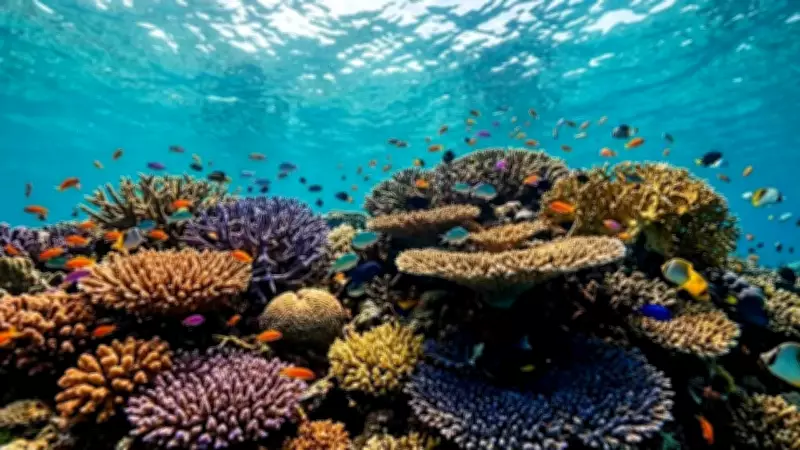
Scientists have discovered more than 4,000 microbial species living in coral reefs, revealing a 'molecular goldmine' that could change the face of modern medicine. An international study as part of the Tara Pacific expedition found that a whopping 99 per cent of these microbes were previously unknown to science. These tiny organisms create special chemical compounds that might help develop new antibiotics and anti-cancer drugs, as well as biotechnological innovations.
Coral Reefs: The Next Frontier for Medicine
Researchers at the University of Galway, along with the Tara Pacific consortium, have uncovered coral reefs as a potential 'molecular goldmine' for future biotechnological advancements. After studying 5,000 samples from diverse reef locations, they realised these ecosystems hold much more complexity than previously thought. Within this molecular treasure trove, scientists found specialised bacteria and microbes biosynthesising secondary metabolites. These substances have evolved to shield corals from diseases and environmental stressors. However, now scientists see their potential in crafting new medicines and biotechnological catalysts.
Coral Genes Could Cure Diseases
In a groundbreaking study, researchers gathered data from 99 coral reefs scattered across the Pacific Ocean. By applying advanced genomic sequencing techniques, they reconstructed the genetic makeup of microbes living in these corals. Astonishingly, they discovered that over 90 per cent of these microbial species were previously unknown to science. The vast genetic database assembled from this study opens doors to understanding each microbe's role. This knowledge could guide future efforts in medical research and environmental restoration.

How Corals Fight the Infections We Can't
Researchers at the University of Galway have pointed out that microbes in reefs have evolved over millions of years, developing complex chemical defences to thrive in competitive underwater habitats. These natural defences attract attention from medical science because they often resemble how human drugs interact with bacteria and viruses. By examining these natural systems, scientists hope to discover new ways to tackle antibiotic-resistant infections and other chronic diseases.
Rising Temperatures Threaten Future Cures
A key finding of the Galway-led research is that the vast microbial diversity - and the potential medicines it contains - is intrinsically tied to the health of the coral host. With rising sea temperatures putting reefs under stress, this hidden biodiversity faces danger. Hence, safeguarding coral reefs becomes essential not only for the environment but also for medicine. Losing a reef might mean losing a unique chemical compound forever, before anyone even knows it exists or explores its benefits for humans.
As noted in a study published in Nature, through mapping 99 reefs spread over 32 islands, researchers came across 645 novel microbial genomes. This hidden diversity shows coral reefs aren't just stunning ecosystems; they're also crucial biological libraries. They hold the secrets to future medical advancements that we've barely started to explore. Expanding this genomic catalog empowers researchers to harness unique microbial enzymes, potentially revolutionising drug discovery while underscoring the urgent necessity of conservation.