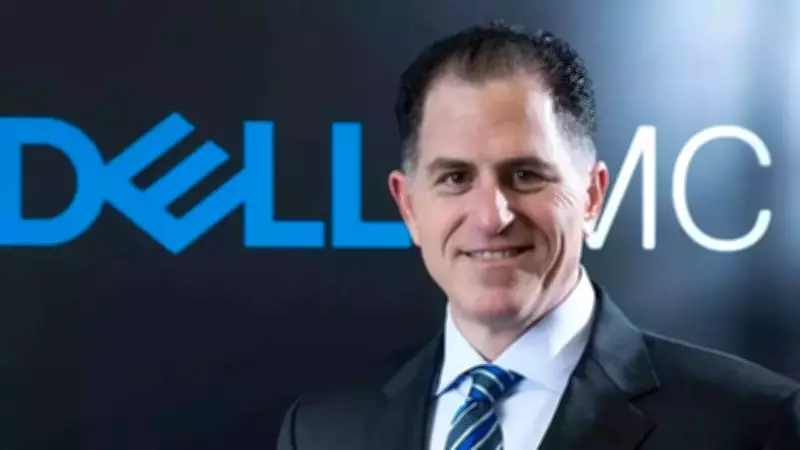
Dell and Altman Echo Support for Pentagon's Stance on Anthropic Deal
In a significant development within the tech and defense sectors, OpenAI CEO Sam Altman and Dell Technologies CEO Michael Dell have expressed alignment with the Pentagon's decision to cancel a procurement deal with AI startup Anthropic. This consensus highlights a broader debate over the role of private companies in government contracts, particularly regarding control and usage of technology.
Michael Dell's Firm Stance on Government Sovereignty
Speaking at a forum in Washington focused on federal government contracting, Michael Dell addressed the ongoing dispute between Anthropic and the United States Department of War. He emphasized that companies providing technology to governments must accept that sovereign authorities have the final say in how tools are deployed. "I don't think a company can dictate to a sovereign government what it does with its tools. I just don't think that's a workable model," Dell stated in an interview with Bloomberg Television. His remarks come as a direct response to Anthropic's lawsuit, which seeks to block the Pentagon's decision to label the AI company a supply-chain risk and bar it from federal procurement.
Dell further explained that his company has implemented systems and controls to ensure technology is sold only to authorized users, though he did not provide specific details. This position underscores a pragmatic approach to government partnerships, where businesses must navigate complex regulatory landscapes without overstepping boundaries.

Sam Altman's Insights on Anthropic's Negotiation Breakdown
Echoing similar sentiments, Sam Altman shared his perspective during an Ask Me Anything session on X, following OpenAI's own deal with the Pentagon. When questioned about why the Department of War chose OpenAI over Anthropic, Altman noted that Anthropic may have demanded more operational control than was feasible. "I think Anthropic may have wanted more operational control than we did," he wrote, adding that Anthropic appeared "more focused on specific prohibitions in the contract, rather than citing applicable laws."
Altman also highlighted that negotiations between Anthropic and the Pentagon were reportedly close to an agreement before collapsing under pressure. "I have seen what happens in tense negotiations when things get stressed and deteriorate super fast, and I could believe that was a large part of what happened here," he noted. This breakdown has led to severe consequences for Anthropic, including being declared a supply chain risk to national security by Defense Secretary Pete Hegseth, effectively blacklisting the company from military contracts.
Consequences and Legal Actions Following the Deal Cancellation
The fallout from Anthropic's failed deal with the Pentagon has escalated significantly. In addition to the blacklisting, former President Trump ordered all federal agencies to cease using Anthropic's products, labeling the company as "radical left" on Truth Social. This move has already cost Anthropic government contracts and jeopardizes hundreds of millions of dollars in future business.
In response, Anthropic has filed a lawsuit against the Trump administration to challenge the Pentagon's decision to place it on a national security blacklist. The company argues that this action is unjust and poses a substantial threat to its operations and financial stability. The legal battle underscores the high stakes involved in government-tech partnerships, where disagreements over safeguards and control can lead to protracted conflicts.
Broader Implications for Tech Companies and Government Contracts
The alignment of Dell and Altman on this issue reflects a growing recognition among tech leaders that collaboration with governments requires flexibility and adherence to sovereign decisions. As AI and other advanced technologies become integral to national security, companies must balance innovation with compliance to avoid similar disputes.

This case serves as a cautionary tale for startups and established firms alike, emphasizing the importance of clear communication and realistic expectations in government dealings. The ongoing legal and political ramifications will likely influence future negotiations and policies in the tech-defense landscape.