

The Turning Point Dinner That Shaped AI History
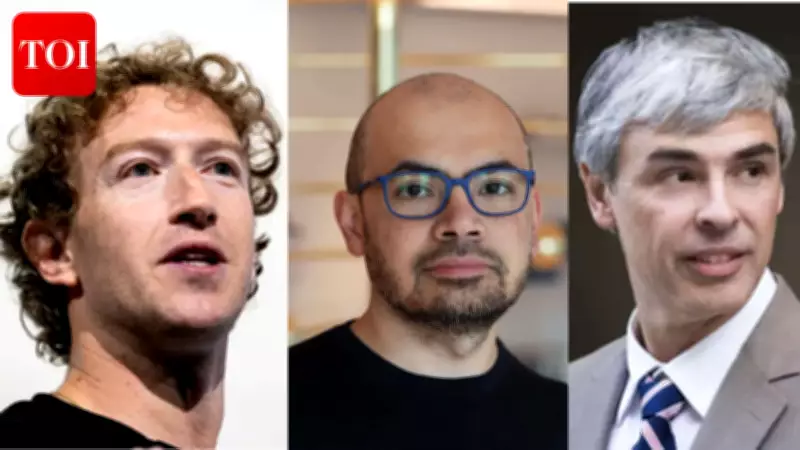
In a pivotal moment for artificial intelligence, Google DeepMind CEO Demis Hassabis deliberately turned down a more lucrative acquisition offer from Mark Zuckerberg's Facebook in favor of selling his AI startup to Larry Page's Google back in 2013. According to a revealing excerpt from Sebastian Mallaby's upcoming book The Infinity Machine, published by The Wall Street Journal, a dinner at Zuckerberg's Palo Alto home served as the critical turning point in this high-stakes corporate drama.
Hassabis's Strategic Test of Zuckerberg's AI Conviction
During that fateful dinner, Hassabis intentionally steered the conversation away from artificial intelligence and into topics like virtual reality, augmented reality, and 3D printing. Zuckerberg reportedly sounded equally enthusiastic about all these technologies. For Hassabis, this lack of singular focus on AI was the telltale sign. "Facebook offered more money, but I wanted somebody who really understood why AI would be bigger than all these other things," Hassabis explained, as quoted in the WSJ excerpt.
This contrasted sharply with Larry Page's approach months earlier at Elon Musk's birthday party. Page presented a compelling argument that Hassabis could spend the best years of his career trying to build a company from scratch—or he could leverage Google's massive existing infrastructure to pursue artificial general intelligence directly. Hassabis found this logic difficult to dispute and ultimately persuasive.

Facebook's Courtship as Negotiating Leverage
The Facebook courtship, it turns out, was largely a strategic negotiating tactic employed by Hassabis and co-founder Mustafa Suleyman. They used Zuckerberg's genuine interest to pressure Google into moving faster with its acquisition commitment. Suleyman, described as having a poker player's instinct, skillfully talked up DeepMind's billionaire backers—including Elon Musk, Peter Thiel, and Solina Chau—even though these investors weren't firmly committed in any binding sense.
Zuckerberg later acknowledged this sophisticated play during an interview with South Park Commons. The Meta CEO admitted that Hassabis did a "very good job" of playing Facebook off against Google in the negotiations, and expressed respect for the strategic maneuver.
AI Safety Concerns Became the Ultimate Dealbreaker
Beyond the question of strategic vision, there was another crucial factor that sealed DeepMind's fate. When Suleyman raised the need for establishing an independent AI safety oversight board during negotiations, Facebook brushed off the concern entirely. In stark contrast, Google engaged seriously with the safety issue. Then-CFO Patrick Pichette even compared artificial intelligence to atomic energy—capable of both catastrophic harm and transformative good—demonstrating Google's deeper understanding of the technology's profound implications.
The Aftermath of a Historic Acquisition
In January 2014, Google ultimately acquired DeepMind for $650 million—a figure that appears almost absurdly inexpensive given today's AI landscape and valuations. The acquisition has proven transformative for both companies and the broader AI field. Meanwhile, a spurned Zuckerberg responded by hiring deep learning pioneer Yann LeCun to build Facebook's AI research laboratory completely from scratch, marking the beginning of Meta's substantial AI investments.
This behind-the-scenes account reveals how personal interactions, strategic negotiations, and philosophical differences about technology's future shaped one of the most significant acquisitions in artificial intelligence history—a decision that continues to influence the global AI landscape more than a decade later.






