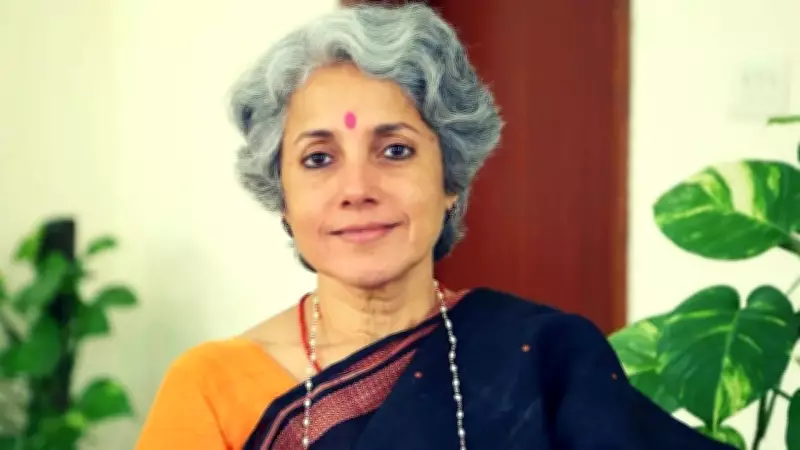
Dr Soumya Swaminathan, the renowned agricultural scientist and former chief scientist of the World Health Organization (WHO), has been elected as a Fellow of the Royal Society, the United Kingdom's prestigious national academy of sciences. This honor recognizes her exceptional contributions to global health, particularly in the fields of tuberculosis research and public health policy.
Recognition of a Distinguished Career
The Royal Society announced the election of Dr Swaminathan on Thursday, May 11, 2023. She is among the 80 fellows and 22 foreign members elected this year. Her election highlights her pioneering work in understanding the transmission and treatment of tuberculosis, as well as her leadership in global health initiatives.
Dr Swaminathan's career spans over three decades, during which she has held key positions at the Indian Council of Medical Research (ICMR) and the WHO. At the WHO, she served as the chief scientist from 2019 to 2022, overseeing the organization's research and development efforts, including the response to the COVID-19 pandemic.

Contributions to Science and Society
Her research has significantly advanced the understanding of drug-resistant tuberculosis and the development of new diagnostic tools and treatments. She has also been a strong advocate for evidence-based policymaking and the importance of investing in public health systems.
Dr Swaminathan is the daughter of the legendary agricultural scientist Dr M.S. Swaminathan, who is known for his role in the Green Revolution in India. She has carved her own path in the scientific community, earning numerous accolades for her work.
Reactions and Future Impact
Upon her election, Dr Swaminathan expressed her gratitude and emphasized the importance of scientific collaboration. The Royal Society fellowship is considered one of the highest honors in the scientific world, and her election underscores the global impact of her work.
This recognition is expected to further inspire young scientists, especially women, to pursue careers in science and research. It also reinforces the critical role of agricultural science in addressing global health challenges.