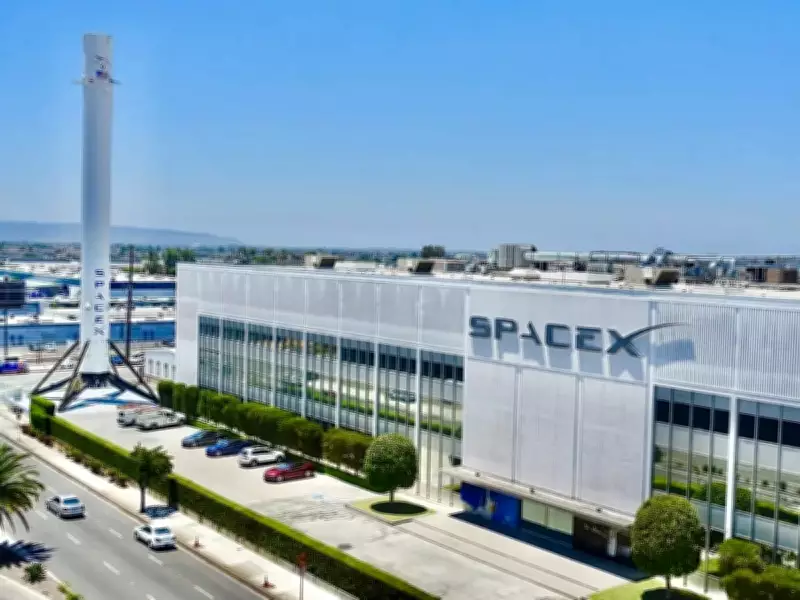
When Elon Musk started working at SpaceX, it had not yet become one of the most influential space companies in the world. The founder was then looking for ways to get to the rockets more quickly and cheaply. In 2001, he went to Russia intending to buy used rockets, rather than constructing them on his own. Indeed, constructing rockets would be time-consuming and costly in terms of finances and engineering work.
However, everything did not happen as planned. In its press release about the flight of the Demo-1 Crew Dragon capsule, NASA mentions that Musk's failure occurred just before the official foundation of SpaceX in 2002. Therefore, the Russia trip should be considered part of the history of the company, rather than a separate event. This failed venture turned out to be among the most widely mentioned events in the modern history of private spaceflight.
Why Elon Musk went to Russia in the first place
By 2000, Russia still had sufficient experience in manufacturing rockets and possessed launchable rockets. It was much easier to buy something that already existed than to create an aerospace firm from scratch. However, at that point in time, Musk was not already the head of SpaceX. He had just been searching for methods to make launches cheaper and enable future space expeditions. Buying old rockets seemed to be the fastest solution.

According to NASA's Crew Dragon press release, those few years before SpaceX took off were extremely important in forming its strategy. The trip to Russia demonstrated that at the very start, Musk was convinced that it was possible to achieve cheap space access by making use of already existing systems rather than producing new ones.
Rejection that shifted the approach
All talks in Russia proved unsuccessful in the end. Though the stories about the talks may differ depending on their authors, one thing remains unchanged: Musk left without any rocket contracts. This situation led to reconsidering the approach towards creating a company. In place of buying rockets from already existing systems, Musk started thinking about constructing rockets himself.
The mission of SpaceX, according to NASA's press kit from 2014, is to revolutionise space technology in order to one day help humans live on other planets. Indeed, it grew into something much more ambitious than merely purchasing launch vehicles. The disastrous Russia visit inadvertently made Musk realise that he had to establish his own aerospace business from scratch.
From rocket purchaser to rocket manufacturer
Once SpaceX got established in 2002, the firm decided to design and build its own rockets. That move became pivotal for SpaceX. The company preferred not to depend too much on external vendors or foreign launchers. Instead, it concentrated on taking charge of engineering, testing, manufacturing, and launching. Subsequently, NASA's documents would reveal how SpaceX came up with a series of Falcon rockets, which would become one of SpaceX's most important accomplishments.
In this case, going from purchasing rockets to manufacturing rockets was crucial since it enabled SpaceX to be able to concentrate on slashing costs through reusable rockets and manufacturing in-house. The approach eventually contributed to the competition between SpaceX and other, much more seasoned aerospace companies.
Early struggles almost doomed the company
The first few years after SpaceX was formed were rough. Several rocket launches went wrong in the early stages of development for SpaceX. Descriptions of SpaceX's subsequent accomplishments in NASA publications usually mention the long journey through failures to successful orbital launches. This experience contributed to the image of perseverance associated with the company. Eventually, SpaceX achieved orbital launch of its Falcon rockets and received significant NASA contracts concerning cargo and crew transport. This success turned SpaceX from a high-risk start-up company into one of the leading aerospace firms.

Why Musk's Russia visit is still relevant today
The deal failure during the founder's Russia visit illustrates how SpaceX's trajectory evolved as a result of constraints rather than opportunities. He initially sought an easy way into spaceflight. When he could not achieve this, he took a much harder approach by founding a rocket manufacturing firm. Historical accounts frequently revisit this case study because of the role it played in showing how constraints can shift entire industries.
While the Russia trip did not result in the acquisition of a rocket, it ultimately led to the creation of a company that would transform commercial spaceflight. Nowadays, SpaceX sends astronauts, satellites, and cargoes all around the world. However, one piece of this puzzle was a failed discussion in Russia, which prompted Elon Musk to come up with an alternative idea of space access.