Google Cracks Down on Antigravity AI Platform Misuse Through OpenClaw Framework
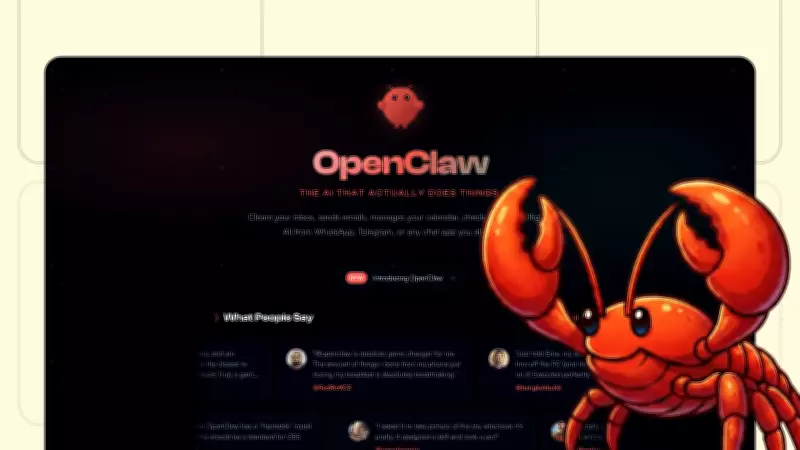
In a significant enforcement action, Google has implemented access restrictions on its advanced AI coding platform, Antigravity, targeting users who were exploiting the system through unconventional token routing methods. The technology giant specifically identified users who were channeling Gemini tokens through OpenClaw, the popular open-source AI agent framework, as the primary offenders in this service degradation incident.
Sudden Access Restrictions Leave Developers Stranded
The enforcement measures, which commenced unexpectedly over the weekend, have left numerous developers in a state of confusion and disruption. Across prominent online platforms including X and Y Combinator forums, users reported experiencing sudden loss of access to Antigravity without receiving any prior notification or warning from Google. The situation has escalated concerns among the developer community, with some expressing apprehension about potential impacts on their broader Google ecosystem accounts, given that Google's AI products share the same underlying account infrastructure as essential services like Gmail and Google Workspace.
Official Confirmation from Google DeepMind EngineerVarun Mohan, a respected Google DeepMind engineer and former CEO of Windsurf, provided official confirmation of the enforcement action through a detailed post on X. According to Mohan, Google observed a "massive increase" in users who were strategically exploiting the Antigravity backend infrastructure as a proxy mechanism for third-party platforms. This systematic exploitation overwhelmed the computational resources specifically allocated for legitimate paying subscribers, creating significant service degradation across the platform.

Technical Breakdown: How OpenClaw Pushed Antigravity to Its Limits
The technical foundation of this conflict revolves around OpenClaw's functionality that enables users to connect with AI models through alternative interfaces and frameworks. This capability, while innovative in design, effectively allowed users to consume substantially more tokens than what standard subscription pricing models account for. Google's internal analysis revealed that this token routing mechanism created an overwhelming flood of requests to Antigravity's backend servers, significantly compromising the user experience for all legitimate platform subscribers.
A Google DeepMind spokesperson provided additional context to VentureBeat, clarifying that these restrictions do not represent permanent bans but rather constitute a strategic effort to bring platform usage back into alignment with established Terms of Service agreements. The spokesperson emphasized Google's commitment to maintaining service quality for all users while addressing systematic abuse patterns.
Industry-Wide Trend: Anthropic's Parallel Enforcement Action
Google's enforcement action represents part of a broader industry trend rather than an isolated incident. Remarkably, just two days before Google implemented restrictions on Antigravity, Anthropic updated its platform terms to explicitly prohibit OAuth token usage from Claude subscriptions within third-party tools, including OpenClaw specifically. This parallel timing reveals a clear pattern emerging across the artificial intelligence industry, where leading AI providers are systematically tightening access controls and usage policies regarding how their sophisticated models can be accessed outside of first-party interfaces and platforms.
Mohan confirmed that Google is actively working to restore platform access for affected users, though he did not provide a specific timeline for resolution. For the immediate future, developers who have been relying on third-party agent tools like OpenClaw to access frontier AI models may need to reconsider their technical architecture and implementation strategies.