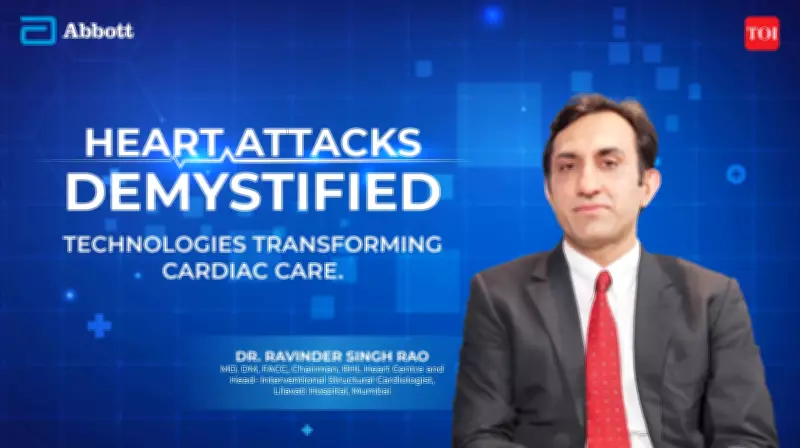
Welcome to Heart Attacks Demystified, a podcast series dedicated to simplifying heart health with expert-led insights. In this episode, renowned cardiologist Dr. Ravinder Singh Rao unravels one of the most common yet misunderstood cardiac procedures: angioplasty and stent treatment. The conversation provides practical clarity for patients and caregivers, covering when the procedure is truly necessary, addressing safety concerns, recovery, recurrence, and life after a stent.
Understanding Angioplasty and Stents
Angioplasty is a minimally invasive procedure to open blocked coronary arteries. A small balloon is inflated at the blockage site, often followed by placing a stent—a tiny mesh tube—to keep the artery open. Dr. Rao explains that not all blockages require stenting; decisions are based on symptoms, severity, and imaging. Modern stents are drug-eluting, releasing medication to prevent re-narrowing.
When Is a Stent Necessary?
Stents are typically recommended for patients with significant blockages causing symptoms like chest pain or shortness of breath, or after a heart attack. Dr. Rao emphasizes that lifestyle changes and medications remain crucial, even after stenting. The procedure is not a cure but a tool to restore blood flow.

Safety and Recovery
Safety is a common concern. Dr. Rao notes that angioplasty has a low complication rate when performed by experienced cardiologists. Recovery is usually quick, with most patients returning to normal activities within a week. However, adherence to antiplatelet medications is vital to prevent stent thrombosis.
Advances in Cardiac Technology
The episode highlights modern imaging techniques like intravascular ultrasound (IVUS) and optical coherence tomography (OCT), which help guide stent placement and ensure optimal results. These technologies reduce risks and improve outcomes.
Debunking Myths
Common myths include the belief that stents are permanent fixes or that they require frequent replacement. Dr. Rao clarifies that stents are permanent but can be affected by new blockages if lifestyle changes are neglected. Another myth is that angioplasty is extremely painful; in reality, it is done under local anesthesia with minimal discomfort.
India's Heart Health Challenge
India accounts for nearly 20% of global heart attack deaths, despite access to world-class cardiac care. This disparity underscores the need for credible, accessible information. The podcast aims to empower listeners with knowledge, helping them make informed decisions about their heart health.
Conclusion
Heart Attacks Demystified, brought to you by Abbott in collaboration with The Times of India, offers a valuable resource for patients and caregivers. By addressing fears and providing expert guidance, the series builds confidence and promotes proactive heart care.