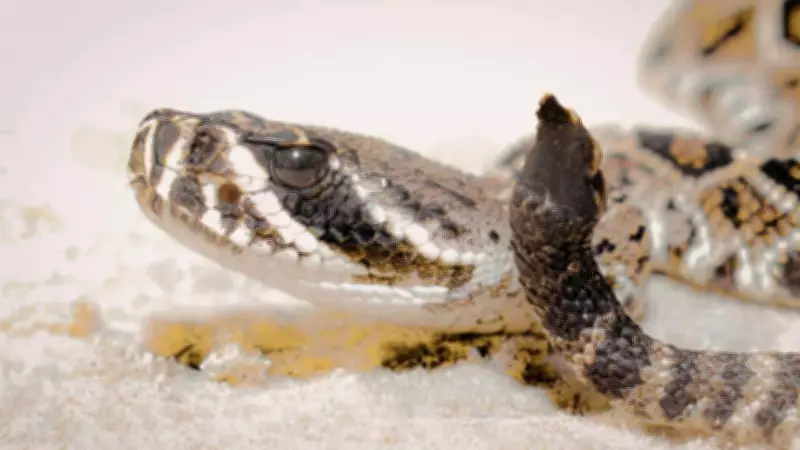
The naming of snakes is not a random or whimsical act that happens spontaneously when they are found in the field. On the contrary, there is a well-defined process through which this naming procedure is conducted.
How the Snake Naming Process Begins
When a previously unidentified snake is discovered, scientists do not simply assign a name immediately. Instead, the process involves an intensive investigation to determine if it is indeed a unique species by analyzing its morphological and behavioral attributes. According to scientists, there must be a meticulous process for naming because the names of animals, particularly snakes, are part of the scientific system of classification practiced around the globe. Names such as king cobra and python belong to this rigorous process based on science, not whim.
An international body governs the entire naming process: the International Commission on Zoological Nomenclature. It guarantees that each name assigned to a particular species is unique and adheres to specific scientific rules. Among the rules set is the guarantee that two different species cannot be assigned the same name. Another rule is that only the first name to be published will be considered valid.

Discovery and Initial Examination
The naming procedure starts whenever scientists come across a snake that seems unfamiliar or unusual during observation. Most discoveries occur in forests, swamps, or other natural habitats with a variety of flora and fauna. Upon identification of the animal, it is subject to close examination by professionals. All important data on the creature's dimensions, coloring, behavior, and habitat are gathered and analyzed. In some cases, pictures or videos may be taken to facilitate research. At this stage, no conclusions are reached; only the gathering of solid field data is performed.
Determining Uniqueness
After the discovery, specialists attempt to determine whether the discovered snake differs from known species. Since snakes belonging to one category may resemble each other in appearance and other traits, in-depth research must be performed to ensure that a completely new animal has been identified. Such examinations usually focus on body structure, scale structure, head shape, and other criteria. The hardest stage in the whole process is the verification of findings, because sometimes what is considered a new species is, in fact, the same as an already known one.
Formal Scientific Report and Publication
Once researchers are confident that the snake is a new species, they prepare a formal scientific report. This report includes a full description of the snake, its habitat, and how it differs from other species. The findings must be published in a recognized scientific journal. Without publication, the name cannot be officially accepted. The paper is also reviewed by other experts in the field to ensure accuracy and validity before approval. Only after this stage does the species receive formal recognition in scientific records.
Why Snake Scientific Names Are Based on Latin and Greek
The majority of scientific names of snakes come from Latin and Greek languages. These languages are applied because they are stable and universally recognized by science. Scientific names can be associated with a specific physical feature, behavior, or habitat of a particular species, or they can be created as a tribute to a researcher who contributed to discovering the species. They serve for purposeful classification rather than mere naming.
Binomial Naming System in Snake Classification
Each type of snake is classified by its binomial name, which comprises two parts. The first part indicates the genus to which the snake belongs. The second part points out the specific species within the group. For instance, the king cobra is referred to as Ophiophagus hannah in scientific circles. This naming convention is followed worldwide to maintain uniform scientific classification.

Names Inspired by History and Culture
Some snake names have interesting historical or cultural origins. The name Python, for example, is linked to ancient Greek mythology, reflecting how cultural references sometimes influence scientific naming. Similarly, Russell’s viper is named after Patrick Russell, a naturalist who made significant contributions to the study of reptiles in India. Experts say these names often carry stories that connect science with history.