In a significant leap for preventive healthcare, researchers at the Indian Institute of Technology Hyderabad (IIT-H) have developed a sophisticated artificial intelligence model capable of predicting an individual's risk for various diseases by analysing their sleep data. This non-invasive approach could revolutionise how we monitor long-term health.
The Science Behind the Sleep-Based Predictor
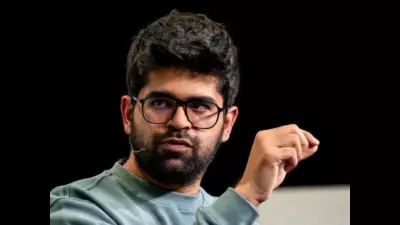
The research team, led by Prof. Shivendra Mishra from the Department of Biomedical Engineering, harnessed the power of machine learning to find connections between sleep patterns and future health outcomes. Their model was trained and validated using a massive dataset from the UK Biobank, encompassing 85,000 individuals. The study's findings were recently published in the reputable Journal of Big Data.
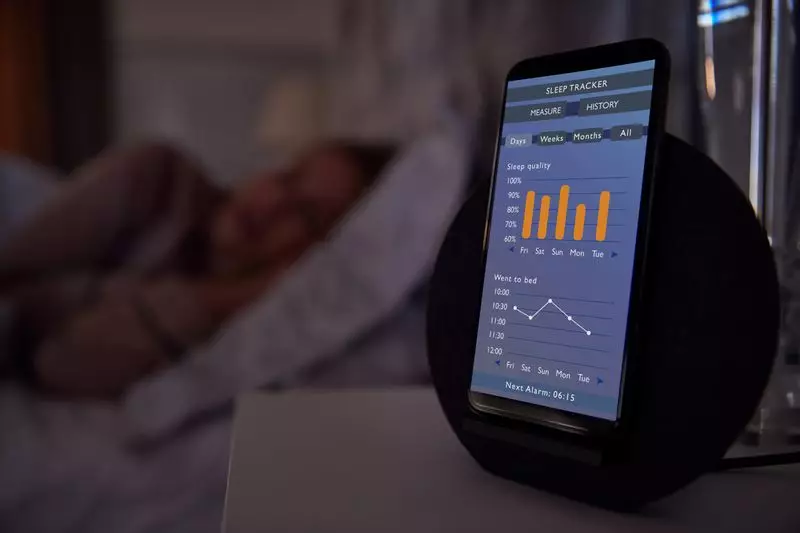
The AI doesn't just track hours slept. It analyses complex, multi-channel signals recorded during sleep studies, known as polysomnography (PSG). These signals include brain waves (EEG), eye movements (EOG), muscle activity (EMG), and heart rhythms (ECG). By processing this rich data, the model identifies subtle patterns and biomarkers that are invisible to the naked eye but are potent indicators of developing health issues.

What Diseases Can the AI Model Predict?
The predictive power of this AI system is broad and impactful. The research demonstrates its effectiveness in forecasting the risk of several major non-communicable diseases (NCDs). According to the study, the model can predict the likelihood of an individual developing:
- Type 2 Diabetes
- Cardiovascular diseases, including hypertension and cardiac events
- Chronic kidney disease
- Liver cirrhosis
- Depression and anxiety disorders
This is a crucial development because these conditions are among the leading causes of mortality and reduced quality of life globally, and their early detection is key to effective management.
Implications for the Future of Healthcare
The development of this AI model marks a paradigm shift from reactive to proactive and preventive medicine. Traditionally, disease diagnosis often occurs after symptoms appear. This technology offers a window into future risk, allowing for early lifestyle interventions or medical guidance long before a condition becomes serious.
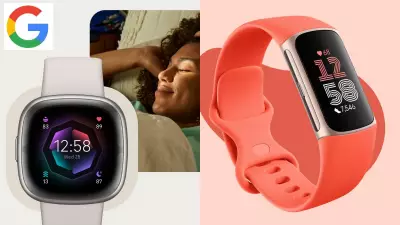
Prof. Shivendra Mishra emphasised the non-invasive and accessible potential of this technology. He pointed out that with the proliferation of wearable devices like smartwatches and fitness bands that can track basic sleep and heart metrics, there is a pathway to make such predictive health screening more widespread. While current medical-grade PSG is detailed, future adaptations could work with simpler data streams from consumer devices.
The model also introduces the concept of a "Sleep-based Disease Risk Score" (SDRS). This single, easy-to-understand score could provide individuals and doctors with a clear indicator of overall health risk based on sleep architecture, making complex data actionable.
This research from IIT Hyderabad not only showcases India's growing prowess in applying AI to solve real-world health challenges but also opens a new frontier in personalised medicine. It underscores the profound truth that sleep is not just a restorative process but a mirror reflecting our body's underlying health, and AI is now helping us see that reflection clearly.