India Becomes a Founding Member of the US-Led Pax Silica AI Alliance
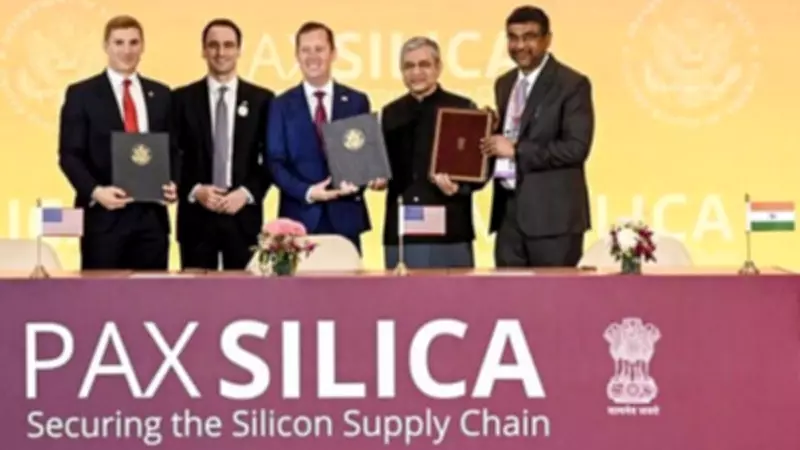
In a significant move to bolster its role in the global technological landscape, India has officially joined the United States-led artificial intelligence alliance known as Pax Silica. This strategic initiative is designed to shape international governance frameworks for artificial intelligence, promoting collaboration among nations to address the ethical, security, and economic challenges posed by rapid AI advancements. By becoming a founding member, India aligns itself with key global players in setting standards and policies that will influence the future development and deployment of AI technologies worldwide.
Objectives and Implications of the Pax Silica Alliance
The primary goal of the Pax Silica alliance is to establish a cohesive and transparent framework for global AI governance. This involves fostering international cooperation on critical issues such as data privacy, algorithmic transparency, and the mitigation of AI-related risks. India's participation underscores its commitment to leveraging artificial intelligence for sustainable development while ensuring that technological progress aligns with democratic values and human rights. The alliance aims to create a level playing field where all member countries can contribute to and benefit from shared knowledge and resources, thereby enhancing global innovation and economic growth.
Strategic Benefits for India in the Global AI Arena
India's entry into the Pax Silica alliance offers numerous strategic advantages. Firstly, it provides a platform for India to influence global AI policies, ensuring that its interests and perspectives are represented in international discussions. This is particularly important as India seeks to harness AI for domestic priorities such as digital transformation, healthcare, and education. Secondly, the alliance facilitates access to cutting-edge research, best practices, and collaborative projects with other leading nations, which can accelerate India's own AI capabilities and innovation ecosystem. By engaging in this multilateral effort, India positions itself as a responsible and proactive player in the global AI governance landscape, potentially attracting investments and partnerships in the technology sector.

Challenges and Future Prospects for International AI Cooperation
While the formation of the Pax Silica alliance marks a positive step toward global AI cooperation, it also presents challenges. Differences in regulatory approaches, geopolitical tensions, and varying levels of technological development among member countries could complicate consensus-building. However, India's involvement brings its expertise in digital infrastructure and a large talent pool, which can help bridge gaps and foster inclusive dialogue. Looking ahead, the success of the alliance will depend on its ability to translate high-level agreements into actionable policies that promote ethical AI use and equitable access. India's proactive stance in this initiative signals its readiness to navigate these complexities and contribute to a stable and prosperous AI-driven future for all nations involved.