India Must Develop Sovereign AI to Counter 'New Wave of Colonisation', Warns Think Tank
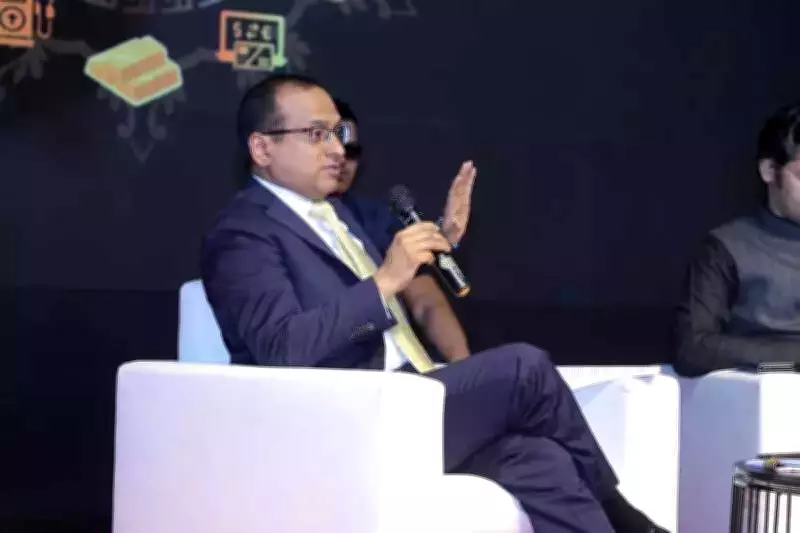
India must urgently develop its own Large Language Models (LLMs) and sovereign Artificial Intelligence (AI) infrastructure to protect its economic independence against a looming "new wave of colonisation", said Shaurya Doval, founding member of the India Foundation think tank. Speaking at the Arthachakra event at Pune's Gokhale Institute of Politics and Economics, Doval emphasized that the global order is rapidly shifting toward a technological battleground where AI and frontier technologies will determine which nations hold power in the coming decades.
The Technological Battleground: US and China Dominate
Doval painted a stark picture of the current technological landscape, noting that as of 2026, only two major powers—the United States and China—are fully gearing up for this critical battle. "AI, frontier technology, and critical minerals are preparing the world for a coming wave of colonisation," Doval warned. "India must prepare its own infrastructure to retain its economic sovereignty."
The disparity in investment between India and these leading economies is particularly concerning. While the United States is spending approximately $500 billion on frontier technologies and China is investing around $200 billion, India's expenditure remains significantly lower, putting the nation at a strategic disadvantage in the race for technological supremacy.

India's Data: 'Digital Gold' Fueling Foreign AI
One of Doval's most compelling arguments centered on India's massive population and the vast amounts of data it generates. He described this data as "digital gold" that is currently being used to train and improve the AI models of other nations rather than fueling domestic innovation. This represents a critical missed opportunity for India to leverage its own resources for sovereign technological advancement.
"India should think on a mission-mode basis regarding these technologies, moving beyond tactical advantages to long-term sovereign protection," Doval emphasized. He argued that the era of total global interdependence is shifting, and India needs to create technological barriers to deter other nations from exerting control through AI dominance or critical supply chain manipulation.
The Sovereignty Challenge and Economic Walls
Doval identified this technological competition as potentially "the biggest challenge for India's sovereignty" in the coming years. He predicted that the world is reaching a stage where each country will become increasingly entrenched within its own economic and technological walls, making economic sovereignty more critical than ever before.
While acknowledging that free trade agreements (FTAs) with the United States and the European Union remain mutually beneficial, Doval noted they have inherent limits. He observed a growing trend of "reshoring"—where nations are moving critical supply chains, particularly for rare earth elements and other strategic resources, back within their own borders to reduce dependency on foreign powers.
A Call for National Security Approach to AI
Doval concluded with a powerful call to action, urging the country to treat AI development as a matter of national security. This approach would ensure that India remains master of its own digital and economic destiny rather than becoming dependent on foreign AI systems that could compromise its sovereignty.
The warning comes at a crucial time as nations worldwide recognize that control over AI and frontier technologies will determine economic and geopolitical power in the 21st century. India's path forward, according to Doval, requires immediate, substantial investment in sovereign AI capabilities to avoid what he characterizes as a new form of technological colonization.