For ages, India has been a cultural powerhouse, originating unique arts, crafts, and artistic traditions that refuse to be confined by geographic borders. The subcontinent's blend of storytelling, spirituality, and rhythm has traveled across oceans and deserts, leaving an indelible mark on global culture. From theatrical martial arts in the Far East to fiery footwork in European dance, Indian art forms have woven themselves into international heritage.
Language of Mindfulness
Yoga, often categorized as fitness or spirituality, is fundamentally a performance of bodily art and fluid movement. Originating in the Vedic period, it transcended Indian shores in the late 19th century, propelled by Swami Vivekananda's Chicago address. Today, yoga is practiced worldwide, from New York studios to retreats in Bali. The asanas are a cherished part of India's culture embraced globally.
Intricate Geometry of Henna and Mandala
Mandalas, representing the universe, spread to Tibet, Japan, and China with Buddhism, now integral to their art. Henna, used in Indian weddings, traveled to the Middle East and North Africa. Today, mandalas inspire psychology and design, while henna is a popular form of self-expression at festivals worldwide.

The Roots of Flamenco (Kathak)
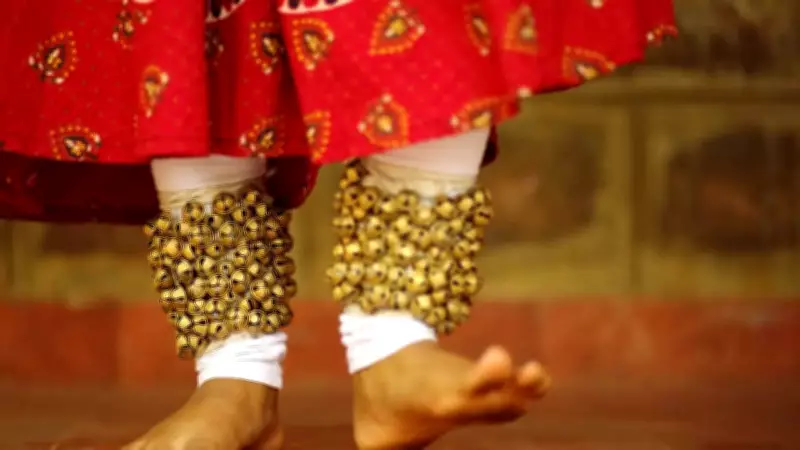
Flamenco's passionate, rhythmic stomping traces back to Northern India. The Romani people migrated from India around the 11th century, carrying Kathak's intricate footwork and storytelling. Over centuries, they blended it with Moorish and Spanish cultures, evolving into Flamenco. Similarities in rhythm and hand gestures remain a testament to this ancient journey.
Blueprint of Puppetry
Before digital entertainment, India had Sutradharas (string-holders) using wooden and leather puppets. Forms like Kathputli from Rajasthan and Tholu Bommalata (shadow puppetry) from Andhra Pradesh traveled the Silk Road, influencing Indonesia's Wayang Kulit and Thailand's shadow theater. This tradition laid foundations for modern theater and animation in Europe.
From Kalaripayattu to Shaolin Kung Fu
Shaolin Temple's martial arts were sparked by Indian monk Bodhidharma in the 6th century. He introduced exercises based on Kalaripayattu, Kerala's ancient martial art, to build monks' stamina. These animal-inspired forms adapted to Chinese philosophy, giving birth to Kung Fu and influencing Karate and Taekwondo.