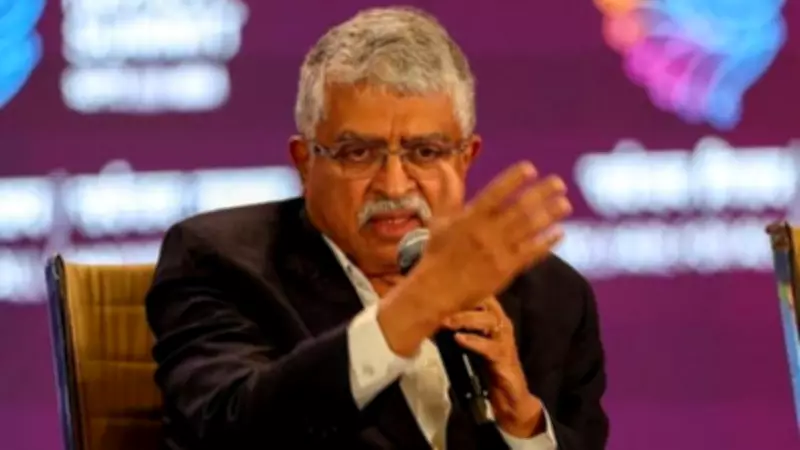
Infosys Chairman Nandan Nilekani Warns of Potential AI Backlash from White-Collar Workers
In a stark warning at the AI Impact Summit 2026, Infosys Chairman Nandan Nilekani highlighted the growing risk of backlash against artificial intelligence, particularly from white-collar professionals. He cautioned that unchecked resentment among this group could lead to a "train-wreck" scenario, disrupting the smooth integration of AI technologies into the workforce.
India's Experience with Large-Scale Tech Implementation
Nilekani emphasized that India possesses unique expertise in deploying technology on a massive scale, drawing parallels to successful initiatives like Aadhaar and the Unified Payments Interface (UPI). He noted that these projects have demonstrated India's capability to implement the world's largest financial inclusion systems, reaching over a billion people effectively.
Helping technology reach a billion people is a different game altogether, Nilekani stated, underscoring the complexity and scale involved in such endeavors. He pointed out that India's experience with these digital infrastructures provides a solid foundation for managing AI adoption responsibly and inclusively.

Focus on Becoming the Use-Case Capital of the World
During the summit, Nilekani advocated for India to concentrate on becoming the "use-case capital of the world" in the AI domain. This strategy involves developing practical, real-world applications of AI that address diverse societal needs, rather than merely focusing on theoretical advancements.
By leveraging its vast population and technological prowess, India can pioneer innovative AI solutions that benefit both the economy and society at large, he explained. This approach aims to mitigate potential backlash by showcasing AI's positive impacts and ensuring broader participation in the tech revolution.
Addressing White-Collar Concerns and Ensuring Inclusive Growth
The Infosys Chairman's comments come amid rising anxieties among white-collar workers about job displacement due to AI automation. Nilekani stressed the importance of proactive measures to address these concerns, including:
- Implementing reskilling and upskilling programs to help workers adapt to new roles.
- Fostering a collaborative environment where AI complements human skills rather than replaces them.
- Learning from past tech implementations like Aadhaar and UPI to ensure equitable access and benefits.
He warned that ignoring these issues could fuel resentment, leading to resistance that hampers AI's potential and causes social and economic disruptions. Nilekani's insights highlight the critical need for balanced policies that promote technological advancement while safeguarding workforce interests.
As AI continues to evolve, his call for a focus on use-cases and inclusive models serves as a timely reminder for global stakeholders to prioritize ethical and practical deployment strategies.