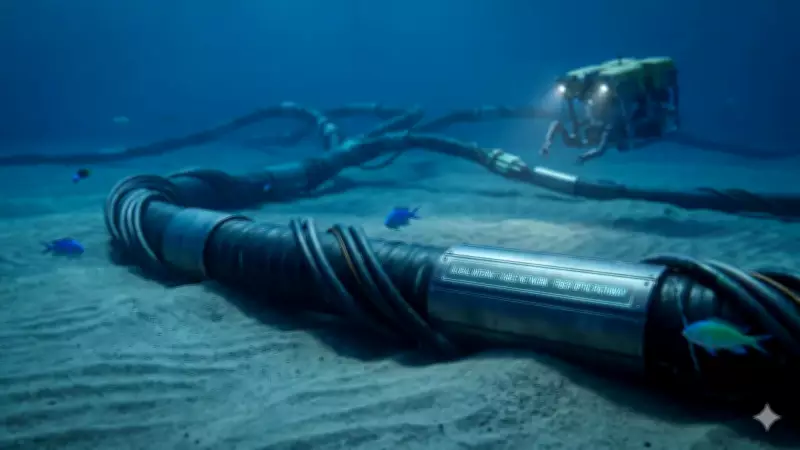
Iran is reportedly considering a plan to monetize the massive network of undersea internet cables that traverse the strategic Strait of Hormuz, potentially turning the waterway into a digital toll booth. According to reports from media outlets linked to the Islamic Revolutionary Guard Corps (IRGC), Iranian officials are framing the strait as a hidden highway that facilitates over $10 trillion in financial transactions daily. The proposal includes a three-step strategy to charge foreign tech giants for using these cables, which carry more than 99% of international internet traffic.
Three-Step Plan for Digital Power
State-linked outlets Tasnim and Fars have outlined a specific strategy to monetize these vital communication lines. The first step involves charging foreign tech companies initial and annual transit taxes or tolls for cables passing through the strait. Second, Iran may require major tech companies like Meta, Amazon, and Microsoft to operate under Iranian law if their data passes through the region. Third, these companies might have to grant Iranian firms total control over the repair and maintenance of the cables. Fars described the cables as the backbone of global technology, claiming that even a few days of disruption could cause hundreds of millions of dollars in economic damage.
Implications for Global Internet Users
If Iran implements these digital tolls, the impact could be felt worldwide. Companies like Google, Meta, and Microsoft may pass on the new operational costs to consumers through higher subscription fees for services such as Google One or Microsoft 365. Additionally, if the Strait of Hormuz becomes too expensive or legally risky, tech companies could reroute data through longer paths, increasing latency and leading to lag in online gaming and slower 4K streaming. By forcing tech companies to operate under local laws, user data passing through these cables may become subject to local surveillance or data-sharing regulations.

Iran argues that it has the legal right to exercise sovereignty over these cables because they pass through its territorial waters. By implementing these measures, the IRGC aims to turn the Strait of Hormuz into a strategic center for wealth creation and a powerful lever for digital power on the world stage.