

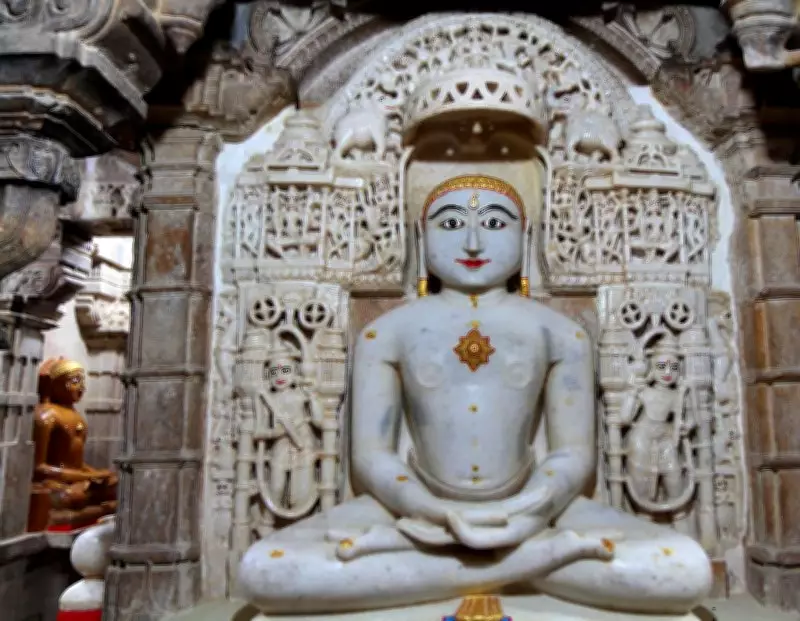
The Enduring Legacy of Jainism
Among the many philosophical traditions that emerged in ancient India during the 6th century BC, Jainism occupies a unique place because of its uncompromising commitment to non-violence, self-discipline, and spiritual purification. At a time when Vedic rituals had become complex, expensive, and dominated by priestly authority, several heterodox movements arose questioning ritualism and social hierarchy. Jainism was one of the most influential among them.
Core Principles of Jain Philosophy
Jainism is built on the foundation of Ahimsa (non-violence), which extends beyond physical harm to include words and thoughts. This principle is complemented by Anekantavada (the doctrine of many-sidedness), which encourages tolerance and respect for diverse viewpoints. The path to liberation involves strict adherence to five vows: non-violence, truthfulness, non-stealing, celibacy, and non-attachment.
Historical Context and Influence
From the age of Mahavira to the modern world, Jainism has remained one of India's most enduring philosophical traditions. It has shaped ethics, politics, art, trade, and ideas of non-violence across centuries. Jain merchants and traders were known for their honesty and integrity, which fostered economic networks across Asia. The tradition's emphasis on non-violence also influenced political movements, including Mahatma Gandhi's philosophy of Satyagraha.

Jainism in the Modern World
Today, Jainism continues to inspire millions with its focus on environmental sustainability, vegetarianism, and peaceful coexistence. Its teachings on non-violence are more relevant than ever in a world grappling with conflict and ecological crisis. The community remains active in education, healthcare, and social service, upholding the timeless values of compassion and self-discipline.






