Karnataka's First AI Committee Meeting Addresses Surveillance and Social Scoring
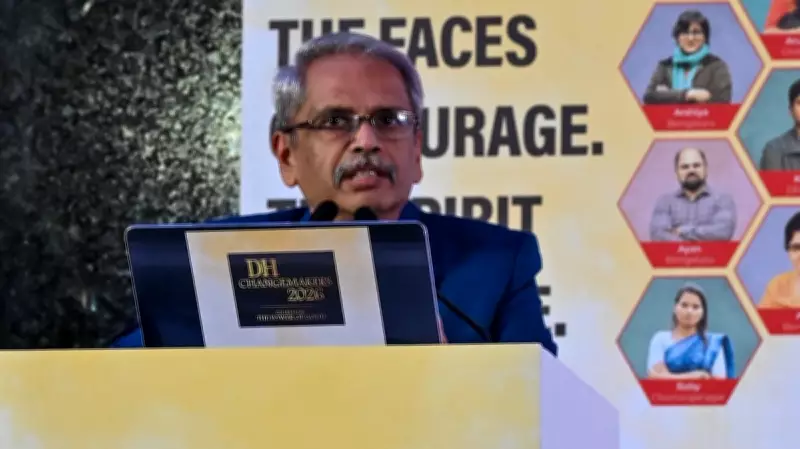
In a significant development for technology governance, Karnataka's inaugural Artificial Intelligence committee convened its first meeting on Thursday, March 12, 2026. The session marked a crucial step in the state's efforts to regulate emerging technologies, with members engaging in detailed discussions about identifying AI practices that should be restricted or prohibited.
Focus on Ethical AI Implementation
The committee, established to provide guidance on AI policy and implementation, dedicated substantial time to examining potentially harmful applications of artificial intelligence. Among the key topics debated were surveillance systems and social scoring mechanisms, which have raised concerns about privacy infringement and potential misuse in other jurisdictions.
Surveillance technologies powered by AI, including facial recognition and predictive policing algorithms, were scrutinized for their impact on civil liberties. Committee members expressed particular concern about how these systems might disproportionately affect marginalized communities and potentially violate constitutional rights.

Similarly, social scoring systems—which use AI to evaluate citizens' behavior and assign ratings—were identified as another area requiring careful regulation. These systems, which have been implemented in some countries to monitor and influence social conduct, raised questions about fairness, transparency, and the potential for creating discriminatory outcomes.
Developing a Framework for Responsible AI
The meeting represented Karnataka's proactive approach to addressing the ethical challenges posed by rapidly advancing AI technologies. By identifying practices that should be restricted early in the technology adoption cycle, the committee aims to establish guidelines that balance innovation with protection of fundamental rights.
Key considerations discussed during the session included:
- Establishing clear boundaries for AI applications in public surveillance
- Developing safeguards against algorithmic bias and discrimination
- Creating transparency requirements for AI systems used in governance
- Balancing technological advancement with privacy protections
- Learning from international experiences with AI regulation
The committee's deliberations come at a time when artificial intelligence is increasingly being integrated into various aspects of governance and public services. Karnataka, as a technology hub, recognizes the importance of setting appropriate standards that could influence AI policy development across India.
Looking Forward: Next Steps for the Committee
Following this initial meeting, the AI committee is expected to continue its work on developing comprehensive recommendations for the state government. These recommendations will likely address not only restrictions on certain AI practices but also positive frameworks for promoting ethical AI development and deployment.
The committee's focus on surveillance and social scoring represents just the beginning of what promises to be an ongoing conversation about how Karnataka can harness the benefits of artificial intelligence while mitigating potential risks to society and individual rights.