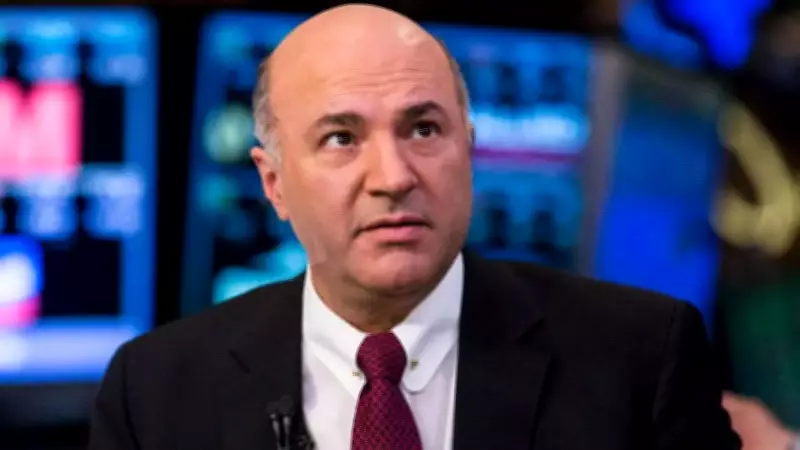
Shark Tank investor Kevin O'Leary has stirred controversy by suggesting that protests against data centre projects in the United States may have a Chinese connection. The Canadian billionaire claimed that a proposed 40,000-acre data centre in Utah, which he backs, faced opposition potentially amplified by foreign actors linked to the Chinese Communist Party. According to a report by The Washington Post, O'Leary made these remarks after demonstrations in Salt Lake City against the project, planned for a largely undeveloped area in northwestern Utah.
O'Leary's Allegations
In a recent video, O'Leary asserted that "nefarious accounts out of the country" connected to China were amplifying opposition through a foreign-backed influence campaign aimed at slowing America's AI infrastructure expansion. His comments were echoed by US Interior Secretary Doug Burgum, who told Fox Business that communities building data centres face "foreign-directed propaganda" undermining US competitiveness in AI. However, neither O'Leary nor Burgum provided conclusive evidence to support these allegations.
Criticism from Activists and Experts
The claims have drawn sharp criticism from community activists, policy experts, and even some AI development supporters, who argue that public opposition stems from local concerns, not foreign influence. Kyle Schmidt, a Trump voter organizing opposition to a Google data centre near Tulsa, called the allegations "gaslighting 101," questioning whether project backers would support similar developments near their homes.

Recent surveys highlight widespread public scepticism toward AI infrastructure. A Gallup poll found that majorities of Americans oppose data centres in their communities, while other surveys reveal concerns about AI's impact on jobs and society. Ryan Fedasiuk, an analyst at the American Enterprise Institute, acknowledged possible foreign propaganda but argued it doesn't explain broader sentiment. "Telling hundreds of millions of Americans who are anti-AI 'Your opinions were paid for by the CCP' is not a winning political message," he wrote on X.
Think Tank Reports and Denials
Several think tanks aligned with tech and energy interests have published reports claiming opposition to data centres is supported by foreign-linked funding networks. These reports cite grants from international donors to US-based environmental groups, but lack direct evidence linking foreign governments to local protests. Elizabeth Hutchings of Alliance for a Better Utah said public records don't support claims of millions flowing from the Chinese Communist Party to local advocacy efforts.
Local Concerns Drive Opposition
Community leaders and industry observers say fears over water use, power needs, environmental impact, and quality of life are fuelling opposition. Tamara Kneese of the Partnership on AI noted, "It is pretty hard to argue this is driven by foreign influence when people in small communities show up at town hall meetings angry about issues directly affecting them." Some tech executives urge better engagement with residents. Daniel Golding, former Google data centre director, said, "Public engagement is an area Big Tech is not really good at."