Meghalaya's AI Journey: A Model for Inclusive Technological Advancement
In a remarkable demonstration of how technology can transform governance and public welfare, Meghalaya has emerged as a pioneering hub for artificial intelligence development in India. Under the leadership of Chief Minister Conrad Sangma, the state is crafting a replicable template for inclusive tech growth that extends far beyond traditional metropolitan centers.
Transforming Public Health Through Data-Driven Governance
The most striking achievement in Meghalaya's technological transformation has been in the healthcare sector. By implementing sophisticated data-driven governance systems powered by artificial intelligence, the state has achieved a nearly 50 percent reduction in maternal mortality rates. This significant metric powerfully illustrates AI's life-saving potential when thoughtfully integrated into public health infrastructure.
Beyond healthcare, Meghalaya is deploying cutting-edge technology for environmental conservation. The state government is implementing an extensive Internet of Things sensor network across 70,000 water springs throughout the region. This ambitious initiative gathers real-time hydrological data to enable improved water resource management and more effective conservation planning.

Building Infrastructure for Sustainable Tech Growth
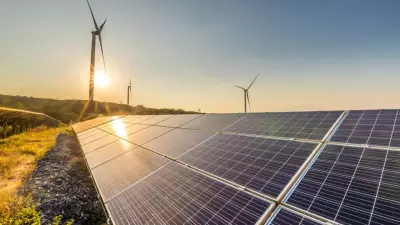
Meghalaya's strategic advantages have positioned it uniquely for technological leadership. The state leverages abundant clean energy resources, dedicated data centers, and proactive policy frameworks to attract AI research initiatives, technology startups, and digital skilling programs. This approach not only diversifies India's technological landscape but demonstrates how smaller states can drive innovation-led economic development.
The state government has articulated a bold vision to establish Meghalaya as the IT skill capital of eastern India. Key initiatives supporting this goal include the expansion of the Shillong Tech Park, the establishment of upcoming data and AI laboratories, and the creation of an AI center of excellence. Additionally, the state is exploring innovative applications of robotics and artificial intelligence in agriculture, drawing inspiration from advanced farming models observed in Japan while simultaneously integrating local languages into AI-powered applications.
National Recognition and Support
Meghalaya's commitment to technological advancement has attracted significant support from the central government, illustrating how regional excellence can influence national resource allocation. During the Regional AI Impact Conference held in Shillong in December 2025, Union Minister for Electronics and Information Technology Ashwini Vaishnaw announced that Meghalaya would receive three additional data and AI labs as part of broader national initiatives.
The conference itself served as a significant platform, bringing together over a thousand participants and demonstrating how state-level innovation aligned with central government support can create scalable models for inclusive AI development across India. This event also functioned as a preparatory platform for the upcoming India AI Impact Summit scheduled between February 16 and 20 in New Delhi.
The IndiaAI Mission Framework
Meghalaya's progress aligns with the comprehensive IndiaAI Mission, which provides the strategic foundation for India's artificial intelligence ecosystem. This national initiative is structured around seven integrated pillars designed to democratize access and foster technological sovereignty:

- IndiaAI Compute: Offering subsidized access to 38,000 GPUs for developers and researchers
- IndiaAI Datasets Platform: Hosting over 3,800 datasets to support AI development
- IndiaAI FutureSkills: Powering large-scale AI education programs across the country
- IndiaAI Innovation Centre: Building indigenous foundational AI models
- IndiaAI Startup Financing: Supporting deep-tech ventures and entrepreneurial initiatives
- IndiaAI Applications Development: Funding approximately 30 AI solutions focused on healthcare and agriculture sectors
Expanding AI Education and Opportunities
The central government is implementing focused AI initiatives across Northeast India to ensure equitable technological development. The Union Minister for Skill Development has emphasized that embedded apprenticeship programs are being rolled out through universities, with the National Apprenticeship Promotion Scheme reformed to double stipend support for apprentices from the Northeast. This addresses the historical challenge of talented youth migrating to major urban centers for quality employment opportunities.
Educational initiatives include developing AI readiness modules for students from classes VI through XII, with rollout expected soon. Additionally, the government is preparing comprehensive online assessments, courses, and certification programs to make AI education accessible to young people throughout the Northeast region.
A Template for National Transformation
As India prepares for the upcoming AI Impact Summit and works toward the larger vision of democratizing artificial intelligence across the nation, the Meghalaya model offers a compelling template. The state demonstrates how ground-up innovation, supported by national-level resources and strategic vision, can transform technology development from a centralized privilege into a decentralized opportunity accessible to diverse regions.
The summit in New Delhi aims to establish India as a global leader in responsible, people-centric artificial intelligence, with strong emphasis on applications across healthcare, agriculture, education, and climate sectors. Meghalaya's success story provides tangible evidence that regional innovation ecosystems, when properly supported, can drive meaningful technological progress that benefits all citizens.