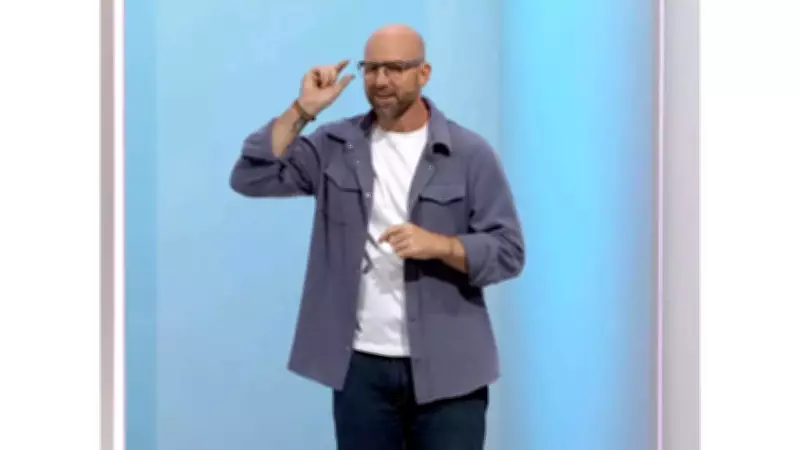
Meta CTO Andrew Bosworth Opens Up About Stress and Career Guidance
Andrew Bosworth, the Chief Technology Officer at Meta who leads the company's Reality Labs division, has shared insights into how he handles stress and offers practical advice for those looking to enter the technology industry. According to a report by Business Insider, Bosworth revealed during an Instagram 'ask-me-anything' session that he experiences stress only four or five times a year, with over-scheduling being the primary trigger.
Stress as a Signal for Reprioritization
Bosworth explained that when stress surfaces, he views it as a useful signal to reassess his priorities. "When I start to experience the stress, that's a useful signal for me," he said. "What is the important work that, if you dedicated the time to it, you would be okay? And, how do we reprioritise the urgent stuff that's being noisy?" He noted that busyness is often the root cause, as he worries about not having enough time for critical tasks.
Coping Mechanisms for High-Pressure Roles
To manage stress, Bosworth relies on conventional yet effective methods:

- Deep breathing exercises to calm his mind.
- Regular physical exercise to maintain mental and physical health.
- Spending quality time with his wife and kids to reconnect and reset.
- Talking about stress openly, often with his wife, which helps him gain perspective.
While he doesn't consider these strategies unique, Bosworth emphasized their effectiveness in keeping him grounded amidst the demands of his executive role. This approach aligns with practices used by other industry leaders; for example, some CEOs practice yoga, take long walks, or immerse themselves in nature. Meta CEO Mark Zuckerberg previously mentioned on a podcast that he manages stress by exercising in the mornings, describing how checking his phone upon waking felt overwhelming.
Career Advice for Aspiring Tech Professionals
In the same session, Bosworth offered straightforward guidance to a college freshman asking how to break into the technology industry. His advice was direct: stop waiting and start building. "You just have to immerse yourself in it," Bosworth stated. "You should just constantly be building." He urged focusing less on theoretical knowledge and more on hands-on experience, as this builds the relevant skill set needed to make a difference in technology.
Bosworth's insights highlight the importance of practical application in tech careers, reinforcing that proactive engagement is key to success. His dual focus on personal well-being and professional development provides a holistic view for navigating high-stakes environments in the tech world.