Meta Grants European AI Chatbots Access to WhatsApp Amid Regulatory Pressure
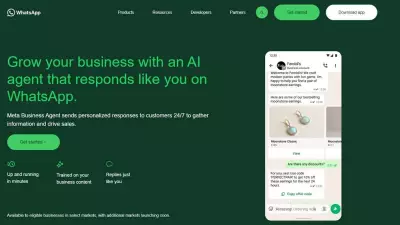
Meta has announced it will permit competing artificial intelligence chatbots to operate on WhatsApp across Europe for the next twelve months. This decision comes in response to mounting regulatory scrutiny from the European Commission, which had threatened emergency interim measures against the social media giant last month. The move is designed to address concerns that Meta was unfairly locking out rival AI services from its popular messaging platform.
Regulatory Backdrop and Meta's Response
The European Commission, acting as the European Union's top competition enforcer, had warned that Meta's previous restrictions risked causing "serious and irreparable harm" to competing AI companies. Following this pressure, Meta has informed regulators that it will allow access through the WhatsApp Business API, though this access will come with a fee. A Meta spokesperson stated, "For the next 12 months, we'll support general purpose AI chatbots using the WhatsApp Business API in Europe in response to the European Commission's regulatory process." The company believes this arrangement "removes the need for any immediate intervention" while the broader antitrust investigation continues.
The European Commission is currently analyzing how Meta's proposed changes might impact both its interim measures review and its wider investigation into the company's competitive practices. This development highlights the ongoing tension between major tech platforms and regulatory bodies seeking to ensure fair market competition in the rapidly evolving AI sector.

Competitor Criticism and Industry Reaction
Despite Meta's announcement, several rival AI chatbot developers have expressed significant dissatisfaction with the new terms. Marvin von Hagen, CEO of The Interaction Company of California—developer of the Poke.com AI assistant—argued that the imposed fee makes it practically impossible to operate on WhatsApp. His company was among those that filed formal complaints with EU and Italian regulators.
"What Meta presents as good-faith compliance is in reality the opposite," von Hagen stated. "The company is now introducing vexatious pricing for AI providers that makes it just as impossible to operate on WhatsApp as the outright ban did." He further criticized the arrangement as simply replacing "one anti-competitive restriction with another" and called on Brussels to proceed with an interim order against Meta regardless of the new offer.
Meta's Defense and Alternative Pathways
Meta has previously defended its position by arguing that allowing numerous third-party chatbots onto its platforms places significant strain on its technical systems. The company has also pointed out that alternative routes exist for AI providers to reach users, including:
- App stores and digital distribution platforms
- Search engine integrations and discovery tools
- Email marketing and communication services
- Operating system integrations and partnerships
- Direct partnerships with other technology companies
This twelve-month arrangement represents a temporary compromise while European regulators continue their comprehensive investigation into Meta's business practices. The outcome of this investigation could have far-reaching implications for how major technology platforms manage access to their services and interact with competing AI technologies in the European market.
The situation underscores the complex challenges regulators face in balancing innovation, competition, and platform integrity in the digital age. As AI technologies continue to advance and integrate into everyday communication tools, these types of regulatory confrontations are likely to become increasingly common across global markets.