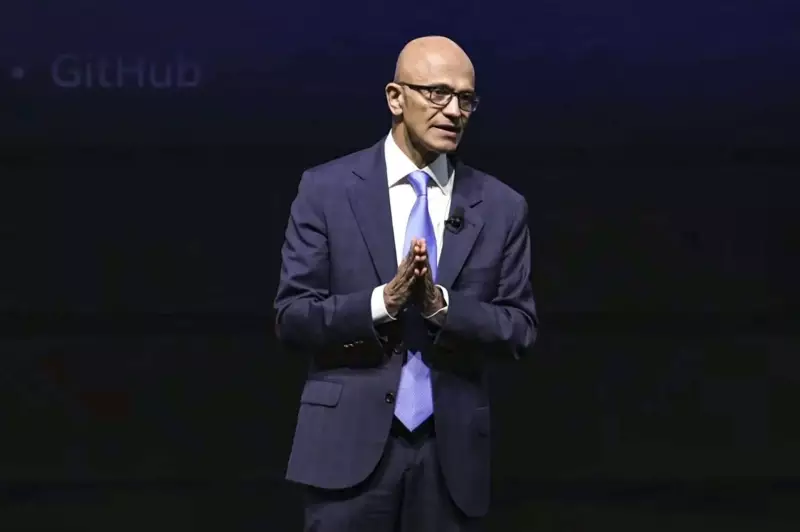
In a significant look into the future of technology, Microsoft Chairman and CEO Satya Nadella has shared his perspectives on artificial intelligence for the year 2026. Through a blog post titled "Looking Ahead to 2026" on his "sn scratchpad," Nadella outlined the critical juncture at which AI stands and the path forward for companies like Microsoft.
From Discovery to Diffusion: The 2026 AI Inflection Point
Nadella declared that 2026 will be a pivotal year for artificial intelligence, marking a distinct shift from the initial phase of discovery to a new era of widespread diffusion. He noted that the industry is now moving past the spectacle and beginning to distinguish it from genuine substance. "We now have a clearer sense of where the tech is headed, but also the harder and more important question of how to shape its impact on the world," the Microsoft CEO wrote. This phase involves integrating AI tools broadly across societies and economies, moving them from novel demonstrations to essential, everyday utilities.
AI as a Scaffold, Not a Substitute
A core theme of Nadella's vision is a fundamental rethink of how we perceive AI's role. He advocates for evolving the classic "bicycles for the mind" concept, framing AI as a scaffolding for human potential rather than a replacement for it. According to him, the debate should not centre on the raw power of a model but on how people apply it to achieve their goals. "What matters is not the power of any given model, but how people choose to apply it to achieve their goals," he emphasized. This perspective is crucial for product design and societal acceptance.

The Need for a New "Theory of the Mind"
Nadella called for moving beyond the pervasive and often polarising arguments of "slop vs sophistication" in AI outputs. He stressed the need to develop a new equilibrium in our collective "theory of the mind." This new framework must account for humans being equipped with what he terms "cognitive amplifier tools." The central product design question, as per Nadella, is how these tools reshape human interaction and capability. He implicitly acknowledged that AI currently lacks full "societal permission," highlighting the work needed to build trust and demonstrate tangible value.
In closing, Nadella's blog serves as both a reflection and a roadmap. It acknowledges the challenges of hype and public scepticism while charting a course toward a future where AI is thoughtfully integrated as a partner in human progress. The year 2026, in his view, will be decisive in determining whether the technology matures into a force for widespread, substantive good.