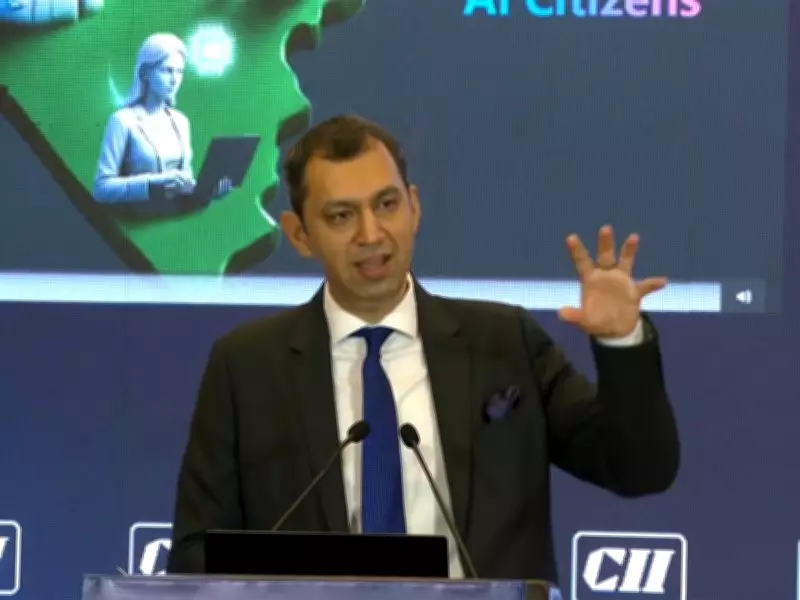
Microsoft India President: AI Will Reshape Jobs, Not Eliminate Them
In a significant statement, Puneet Chandok, President of Microsoft India, has emphasized that artificial intelligence (AI) is poised to transform the job landscape rather than eliminate jobs entirely. He highlighted India's unique potential to lead the global AI revolution in the coming century, driven by its vast talent pool and innovative capabilities.
AI as a Catalyst for Job Evolution
Chandok explained that AI technologies are not about replacing human workers but about augmenting their skills and creating new opportunities. He noted that while certain routine tasks might be automated, AI will generate demand for roles in AI development, data analysis, and ethical oversight. This shift requires a proactive approach to reskilling and upskilling the workforce to adapt to emerging technologies.
Key insights from his remarks include:

- AI will enhance productivity and efficiency across industries, leading to job creation in tech-driven sectors.
- India's demographic dividend, with a young and tech-savvy population, positions it as a hub for AI innovation and implementation.
- Collaboration between government, academia, and industry is crucial to harness AI's potential responsibly.
India's Strategic Advantage in the AI Century
Chandok underscored India's readiness to spearhead the AI century, citing its strong foundation in software services and growing startup ecosystem. He pointed out that initiatives like Digital India and investments in AI research are accelerating the country's progress. Moreover, India's ability to develop scalable and affordable AI solutions can address global challenges, from healthcare to agriculture.
He stated, "India has the talent, the scale, and the ambition to not just participate but lead in the AI era. Our focus should be on building inclusive AI that benefits all sections of society."
Preparing for the Future Workforce
To capitalize on this opportunity, Chandok called for enhanced education and training programs focused on AI literacy. He suggested that schools and universities integrate AI courses, while companies invest in continuous learning for employees. This will ensure that the workforce remains competitive and can thrive in an AI-augmented economy.
In conclusion, Puneet Chandok's vision positions AI as a transformative force that will reshape jobs and propel India to the forefront of technological leadership. By embracing innovation and fostering skill development, India is well-poised to navigate the challenges and opportunities of the AI century.