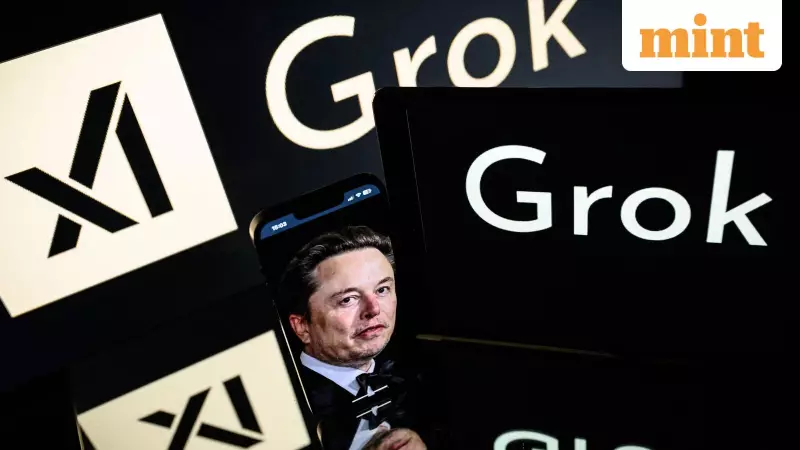
Elon Musk Criticizes X's Algorithm as 'Dumb' Following Public Release
Elon Musk has openly described X's recommendation algorithm as unsophisticated and in need of significant improvement. This criticism came shortly after the social media platform made its core feed ranking system publicly available. The move represents a major shift toward transparency in how content is managed on digital platforms.
X Opens Its Algorithm Code to Public Scrutiny
X confirmed that it has published the complete codebase for its feed ranking system on GitHub. This development allows developers, researchers, and ordinary users to examine the logic behind content prioritization. The algorithm determines which posts appear in user feeds, including both organic content and paid advertisements.
By making this code accessible, X enables technical experts to understand how engagement signals are processed. They can see how content is prioritized and how discovery beyond followed accounts is handled. This level of openness is uncommon among major social media companies.

Musk Emphasizes Transparency Over Perfection
In a post on X, Musk acknowledged that the current algorithm is far from perfect. He stated that the system has clear limitations and requires substantial refinement. However, he argued that public scrutiny would help expose flaws and accelerate progress toward a better system.
"The aim is not to present a finished or flawless system," Musk explained. "Instead, we want the public to watch as we refine our recommendations openly rather than behind closed doors." He suggested that users can now observe how the platform operates behind the scenes as changes are implemented in real time.
Algorithm Built on Advanced AI Architecture
X revealed that its recommendation system utilizes the same transformer-based architecture that powers Grok. This artificial intelligence model was developed by Musk's AI company, xAI. The connection highlights the growing role of sophisticated machine learning in shaping user experiences on social media platforms.
The open-sourced code covers systems responsible for ranking posts, suggesting content, and placing advertisements. This means the mechanisms that determine which posts rise to the top of feeds are now visible. The public can see how different signals are weighted and how content distribution decisions are made.
Implications for Social Media Transparency
This move by X sets a new precedent for transparency in the technology industry. While other platforms keep their algorithms proprietary and closely guarded, X has chosen to expose its inner workings to public examination. This approach could pressure other companies to become more open about their content moderation and ranking practices.
The decision to open-source the algorithm comes at a time when social media platforms face increasing scrutiny over their content policies. By allowing external review, X may gain credibility with users concerned about algorithmic bias or opaque decision-making processes.
Musk's candid admission about the algorithm's shortcomings reflects a pragmatic approach to platform development. Rather than claiming perfection, he acknowledges current limitations while committing to public-led improvement. This strategy could foster greater trust among X's user base and the broader technology community.