

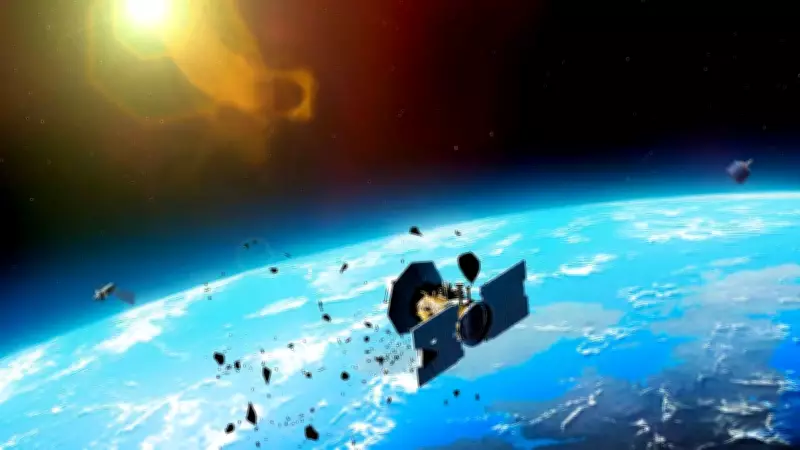
NASA's Van Allen Probe A Satellite Set for Fiery Earth Reentry on March 10
After nearly 14 years of orbiting Earth, a NASA satellite is scheduled to make a dramatic return to our planet on Tuesday, March 10. The spacecraft in question is the Van Allen Probe A, which weighs approximately 1,323 pounds (600 kilograms). This significant event marks the end of an extended mission that far outlasted its original design lifespan.
Mission Background and Extended Service
The Van Allen Probe A was launched alongside its identical twin, Van Allen Probe B, in August 2012. Originally named the Radiation Belt Storm Probes, these spacecraft were designed to study the complex radiation belts that encircle Earth. The mission was initially planned to last only two years, but both probes demonstrated remarkable durability and continued operating well beyond expectations.
Probe A collected valuable scientific data until October 2019, while Probe B remained operational until July 2019. Both satellites were officially deactivated in 2019, but they have remained in orbit until atmospheric drag naturally brings them back to Earth.

Reentry Details and Safety Assessment
According to the US Space Force, the estimated reentry time for Van Allen Probe A is 7:45 pm EDT on March 10, with a margin of error of approximately 24 hours. Tracking data will be continuously updated as the event approaches, potentially refining this prediction.
NASA experts emphasize that the risk to people on the ground is extremely low, calculated at roughly 1 in 4,200 or about 0.02 percent chance of injury. The vast majority of the satellite is expected to burn up completely during its high-speed passage through Earth's atmosphere. Any surviving fragments are most likely to fall harmlessly into the ocean, given that water covers nearly 70 percent of our planet's surface.
Scientific Contributions and Legacy
During their operational years, the Van Allen Probes followed highly elliptical orbits ranging from about 384 miles (618 km) to 18,900 miles (30,415 km) from Earth. They gathered crucial data about the radiation belts that surround our planet, regions of space where charged particles are trapped by Earth's magnetic field.
This information has proven invaluable to scientists studying how solar activity affects various systems, including:
- Satellites in orbit
- Astronauts in space
- Ground-based systems like communications networks
- GPS navigation systems
- Electrical power grids
The data collected has significantly improved space weather forecasting capabilities, helping researchers better predict solar storms that can interfere with electronic systems on Earth. This knowledge also assists in planning future space missions and developing better protection against space radiation hazards.
Atmospheric Drag and Orbital Decay
Experts note that increased solar activity in recent years has expanded Earth's atmosphere slightly, creating greater frictional drag on satellites in low Earth orbit. This atmospheric expansion likely contributed to Van Allen Probe A descending earlier than originally anticipated. The satellite's reentry provides scientists with valuable data about orbital decay processes that affect all spacecraft eventually.
Future of the Twin Satellite
While Probe A prepares for its final descent, its twin—Van Allen Probe B—is not expected to return to Earth until around 2030. This satellite appears less affected by recent solar activity and will continue orbiting for approximately another decade. Both deactivated spacecraft continue to serve as reference points for scientists studying space weather phenomena and orbital mechanics.
Tracking these controlled descents helps researchers improve their understanding of atmospheric drag and orbital decay patterns, knowledge that proves essential for managing the thousands of active satellites currently in orbit and planning for future space missions.






