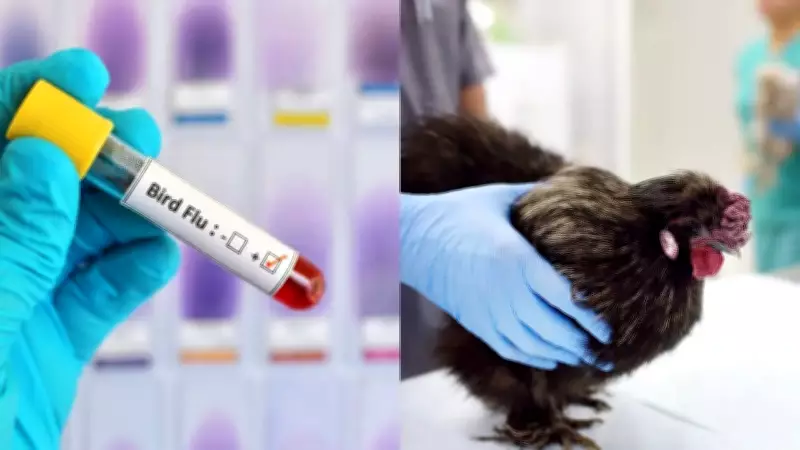
The University of Nottingham is set to participate in a major trial testing a new vaccine designed to protect humans against the H5N1 bird flu virus. This vaccine, developed using mRNA technology similar to that used in COVID-19 vaccines, aims to provide immunity before the virus potentially adapts to spread easily among people.
Urgent Need for Preparedness
While the current risk of bird flu transmission from birds to humans remains low, experts warn that the virus could mutate, leading to a future pandemic. Professor David Turner from the University of Nottingham emphasized that bird flu is a significant threat for the next major disease outbreak. "We do not know when the virus might start spreading from birds to people, but we must be prepared," he stated.
Trial Details and Vaccine Technology
The trial will involve approximately 3,000 adult volunteers across 26 sites in the UK, including Nottingham. The primary goal is to assess the vaccine's safety and its ability to stimulate an immune response against the H5N1 strain. The mRNA platform allows for rapid large-scale production if needed, offering a crucial advantage in outbreak scenarios.

Since 2024, 116 human cases of H5N1 have been reported globally, mostly linked to contact with infected animals. In Nottinghamshire, several farms have already culled poultry due to outbreaks. The vaccine trial aims to ensure an effective vaccine is ready if the virus gains human-to-human transmission capability.
Broader Implications
If successful, the vaccine could be approved for use, bolstering the UK's preparedness against a potential bird flu pandemic. The trial represents a proactive approach to public health, leveraging lessons from the COVID-19 pandemic to combat emerging infectious diseases.