Nvidia CEO Jensen Huang Challenges Market Fears Over AI Impact on Software Industry
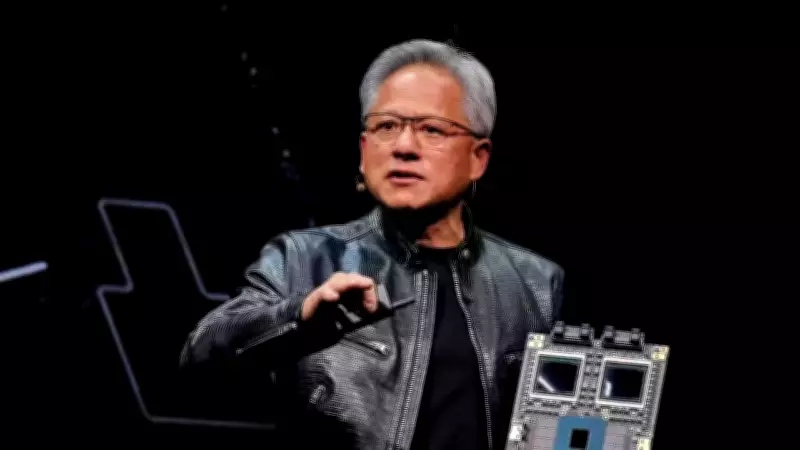
In a bold rebuttal to widespread concerns about artificial intelligence potentially cannibalizing the traditional software sector, Nvidia CEO Jensen Huang has declared that financial markets have fundamentally miscalculated the threat. Speaking exclusively in an interview with CNBC's Becky Quick, Huang asserted that investors have "got it wrong" by assuming AI agents will replace conventional enterprise software platforms.
AI as Collaborative Tool Users Rather Than Disruptive Replacements
Huang presented a compelling vision where AI agents function as sophisticated "tool users" that leverage existing software infrastructure rather than rendering it obsolete. He emphasized that established tools such as internet browsers, spreadsheet applications like Microsoft Excel, and enterprise software solutions from industry leaders including SAP, ServiceNow, Cadence, and Synopsys exist for solid, enduring reasons and will remain critically important.
According to Huang's detailed explanation, AI agents will operate as intelligent intermediary layers that utilize these proven tools on behalf of human users. This approach will enable significant automation of routine tasks, dramatically improve operational efficiency across organizations, and deliver processed information in formats that people can easily comprehend and act upon.

"Nobody's going to service better than ServiceNow," Huang remarked, illustrating his point that established software providers possess the deep domain expertise required to create AI agents that work seamlessly with their existing tools and established workflows.
Context of Strong Nvidia Performance and Industry Debate
Huang's insightful comments arrived just hours after Nvidia released exceptionally strong quarterly financial results accompanied by an optimistic revenue forecast. These positive indicators have helped alleviate mounting concerns about potential slowing demand in the artificial intelligence sector while simultaneously reigniting vigorous debate about the long-term future of traditional software firms in an increasingly AI-driven landscape.
Perspective on Anthropic-Pentagon Dispute
When questioned about the ongoing conflict between AI company Anthropic (creator of Claude) and the United States Defense Department, Huang offered a balanced perspective acknowledging valid positions on both sides of the disagreement.
"The Defense Department has the right to use the technology and products they procure in a way that serves their interests. Likewise, Anthropic has the right to decide how they would like to market their products and what kind of use cases they could be used for," Huang explained during the interview.
He added that while he hopes for an amicable resolution to the dispute, "if it doesn't get worked out, it's also not the end of the world," noting pragmatically that Anthropic represents just one among many AI companies and the Pentagon constitutes merely one potential customer within a vast global market.
Broader Implications for Software Industry Evolution
Huang's comprehensive analysis suggests a future where artificial intelligence and traditional software platforms evolve through symbiotic collaboration rather than disruptive competition. This perspective challenges the prevailing narrative of AI as an existential threat to established software companies, instead positioning AI as a powerful productivity multiplier that enhances the value and utility of existing software investments.
The Nvidia CEO's comments provide crucial reassurance to investors and industry observers concerned about potential market disruption, while simultaneously offering a nuanced framework for understanding how artificial intelligence will integrate with rather than replace the sophisticated software ecosystems that power modern business operations worldwide.